
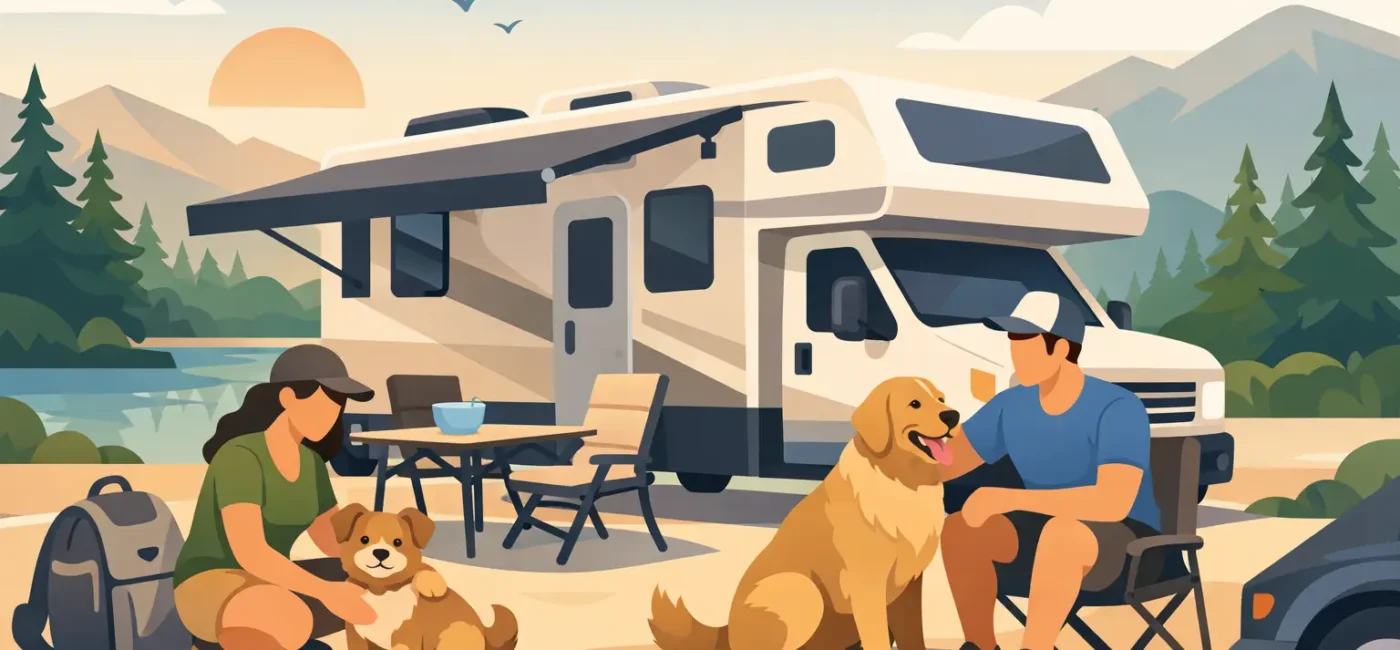
The first mile usually tells you everything. If your dog is pacing between the captain’s chairs, whining at every turn, or trying to launch into your lap while you merge, the trip is going to feel a lot longer than it looks on the map. Learning how to travel with dogs in RV life is less about buying fancy gear and more about building a setup that feels safe, predictable, and comfortable for everyone on board.
That matters whether you’re heading out for a weekend game, a cross-country route, or settling in for a longer stay. Dogs can do very well in RVs, but they tend to thrive on routine. The more your travel day feels organized, the calmer your dog usually becomes.
How to travel with dogs in RV life starts before departure
A good trip begins well before the engine starts. If your dog only sees the RV when it’s time for a six-hour drive, that vehicle can feel strange and stressful. Let your dog explore it while parked. Feed a meal inside. Spend a quiet evening in it. Take a few short practice drives before a long travel day.
That early exposure helps you spot problems while the stakes are low. Maybe your dog is nervous around engine noise. Maybe the floor is too slick. Maybe your chosen sleeping area is right next to a vent that blows cold air all night. These are easy fixes at home and annoying surprises on the road.
It’s also smart to make sure the basics are current. Tags should be readable, microchip information should be updated, and vaccination records should be easy to access. If you’re crossing state lines or planning campground stays, having those details handy saves time and stress.
Set up the RV for safety, not just convenience
Many RV owners focus first on storage and forget that dogs need a secure place during travel. The safest option depends on your dog’s size, age, and temperament. Some do best in a crash-tested crate secured in place. Others travel more calmly in a dog seat belt or harness attached properly to a fixed point. What matters most is consistency and restraint.
A free-roaming dog in a moving RV is a hazard for the driver, the passengers, and the dog. Sudden stops happen. Sharp turns happen. Even a calm dog can get thrown off balance.
The living area needs attention too. Tuck away anything chewable, breakable, or toxic. Cleaning chemicals, loose cords, medications, and food scraps should never be left where a curious nose can find them. If your dog is young or still adjusting, baby gates or closed doors can make the space easier to manage.
Temperature control is another non-negotiable. RVs can heat up fast, especially in sunny parking lots. If your plan includes leaving your dog inside for any period, you need reliable air conditioning, a backup plan if power fails, and a realistic sense of outside conditions. For many travelers, the safest choice is simple: if the weather is warm, don’t leave your dog alone in the RV.
Keep your dog’s routine close to normal
Dogs travel better when the day still feels familiar. Feeding at roughly the same times, offering regular potty breaks, and sticking with the same bed or blanket can make a moving home feel stable.
Try not to overhaul everything at once. If your dog eats a particular food, bring enough for the trip rather than switching brands at random stops. Bring the usual bowls, leash, waste bags, favorite toy, and any medications. Small familiar items do a lot of quiet work.
Exercise matters more than many people expect. A dog that has been walked and allowed to sniff before departure is usually easier to settle than one loaded into the RV full of energy. The same goes for arrival. Before you focus on hookups, leveling, or dinner plans, give your dog a chance to stretch, relieve themselves, and understand the new surroundings.
Plan your driving days around your dog
This is where realistic expectations help. Some dogs can ride for long stretches without complaint. Others need frequent stops and a slower pace. There is no prize for covering the most miles if your dog ends the day anxious, carsick, or overtired.
A comfortable rhythm for many travelers is a break every two to four hours, with water, a short walk, and a chance to reset. In hot weather, those breaks need extra care. Pavement can burn paws quickly, and many rest areas offer very little shade.
If your dog gets motion sickness, talk with your veterinarian before the trip. That problem rarely improves through willpower. Nausea can turn RV travel into a miserable experience fast, and there may be simple options that help.
Noise is another factor. Diesel engines, highway rumble, campground activity, and storms on an RV roof can all be a lot for a sensitive dog. White noise, a crate cover for some dogs, or a designated quiet sleeping spot can make a noticeable difference.
Choose stops that welcome dogs and make life easier
Not every overnight stop works well for pet owners. A place can call itself pet-friendly and still leave you with tiny gravel pads, no walking space, poor lighting, or lots of off-leash chaos. When you’re traveling with dogs, the best stop is one that feels easy from the moment you pull in.
Look for wide sites, clean grounds, clear pet policies, and a layout that gives you room to walk your dog without stress. Good lighting and secure access matter too, especially if you’re arriving late or heading out for an early potty break. Onsite management can be a big plus because if you have a question about quiet areas, pet rules, or the nearest green space, somebody is there to help.
For travelers coming through Tulsa, a well-kept park with full hookups, room to settle in, and a genuinely pet-friendly atmosphere can turn a tiring travel day into a comfortable reset. That’s one reason guests appreciate places like Big Tree RV Park, where convenience and a more peaceful setting make it easier to travel with pets without feeling cramped or rushed.
Campground manners matter when dogs are part of the trip
A good dog in a campground is not just friendly. A good dog is managed. Even social dogs should stay leashed unless you’re in a clearly designated off-leash area. Other guests may have nervous pets, small children, or dogs in training. Respecting space keeps the park pleasant for everyone.
Barking is the issue that causes the most tension. Sometimes it starts because a dog is overstimulated by new sounds and smells. Sometimes it comes from being left alone too long. If your dog tends to bark at passersby, close the blinds, use a fan or white noise, and avoid setting up camp chairs right in the highest-traffic part of your site.
Clean-up should be immediate and routine. It sounds basic, but it says a lot about the kind of community travelers create together. Pet-friendly parks stay welcoming when guests treat shared spaces with care.
Pack for the problems, not just the happy photos
Every dog travel kit should cover more than treats and a cute bandana. Bring extra water, a towel for muddy paws, cleaning supplies for accidents, copies of records, and a basic pet first-aid kit. If your dog has allergies, anxiety, or a sensitive stomach, pack with that in mind rather than hoping you can find what you need on the road.
It also helps to think through escape risks. RV doors open often, and unfamiliar places can make even well-trained dogs bolt. A secure collar or harness with updated ID tags is essential. For dogs who slip gear easily, a backup clip or martingale-style collar may be worth discussing with your trainer or vet.
And if your dog is older, be honest about comfort. RV travel can be wonderful for senior dogs, but they may need ramps, softer bedding, shorter walks, and more climate control. Younger dogs may adapt faster, while older dogs often need a little more planning and a little less ambition.
The best RV dog trips feel boring in the right ways
That may not sound exciting, but it’s true. The smoothest trips usually come from simple habits repeated well. Your dog knows where to lie down. You know when to stop. Meals happen on time. The leash is always in the same place. The campground feels calm, clean, and easy to navigate.
When you figure out how to travel with dogs in RV life, you’re really creating a routine your dog can trust. That trust shows up in the little moments – the quiet nap after a walk, the easy check-in at a new park, the relaxed evening outside your rig while your dog settles nearby and watches the world go by.
If you can give your dog that kind of steady, comfortable travel day, the miles tend to feel lighter for everyone.