
Pulling into a park after a long travel day, the last thing you want is to wonder who can come and go, whether your rig will be left alone, or if your family will feel comfortable walking around after dark. The best rv park security features do more than check a box – they help you relax, settle in faster, and enjoy your stay with confidence.
For overnight travelers, security can mean peace of mind while you sleep. For long-term guests, it matters even more because an RV site starts to feel like home. Good security is not about making a park feel fenced off or unfriendly. It is about creating a clean, organized, well-managed place where guests feel welcome and unwanted problems are less likely to happen.
What the best RV park security features really look like
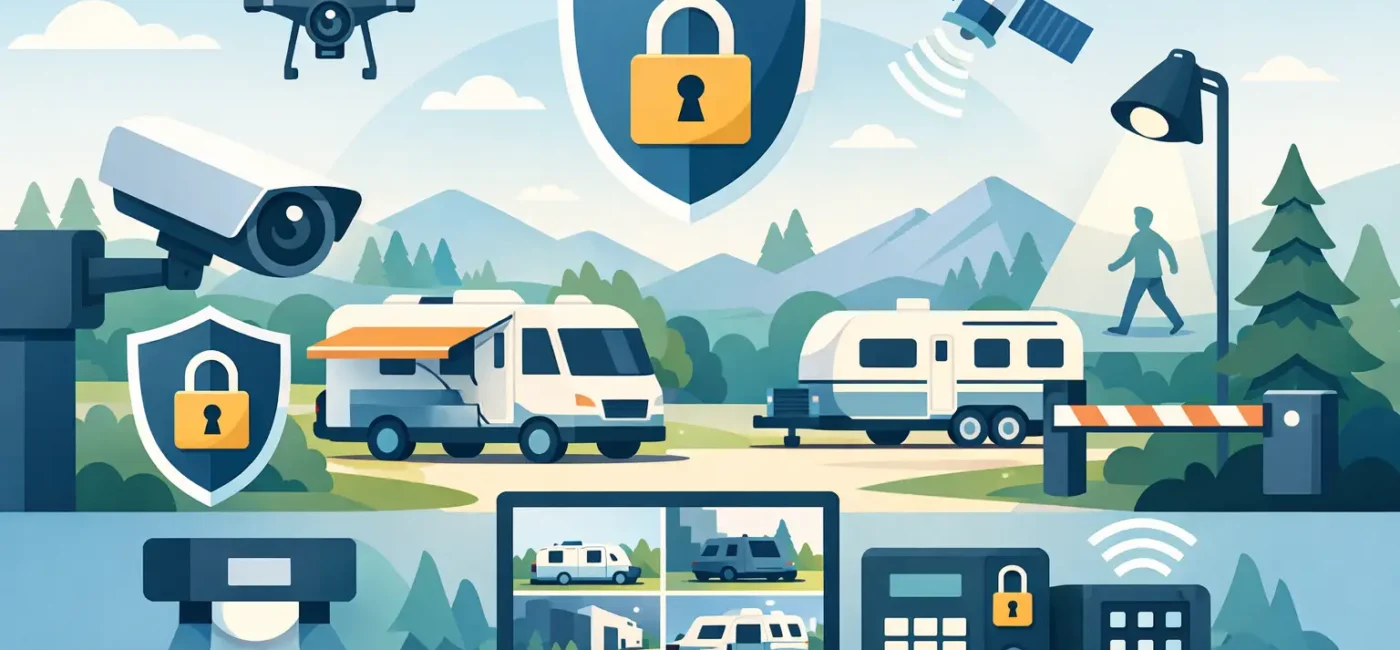
The strongest parks usually do not rely on just one feature. A front gate alone is not enough, and a camera by itself does not solve much if nobody is paying attention. The best rv park security features work together, combining access control, visibility, staffing, and smart layout.
That matters because every guest uses a park differently. A road trip stopover may call for simple, reliable nighttime security. An extended-stay guest may care more about consistent management, clear rules, and a setting that stays calm week after week. In both cases, the goal is the same – fewer surprises and a better sense of comfort.
Gated access that is actually managed
A gate is one of the first things guests notice, but it only helps when it is part of a real system. Controlled entry limits random drive-through traffic and adds a layer of accountability. If access is tied to codes, keypads, or guest authorization, it becomes much harder for non-guests to wander in unnoticed.
That said, not all gated access works the same way. A gate that stays open for long periods, breaks often, or is shared too loosely loses much of its value. Guests should look for parks where gated entry is maintained consistently and treated as part of daily operations, not just a selling point on a website.
Onsite management makes a major difference
One of the most overlooked security advantages in any RV park is onsite management. Cameras and lighting matter, but there is no real substitute for having responsible staff nearby who know the property, recognize normal activity, and respond when something feels off.
This is especially important for long-term residents, working travelers, and families. A well-managed park tends to stay quieter, cleaner, and more predictable. Rules are enforced, guest concerns are heard, and small issues are less likely to grow into bigger ones. In practical terms, onsite management often improves both safety and the overall quality of the stay.
Good lighting in the places that matter
Lighting is simple, but it does a lot of work. Well-lit roads, walking paths, bathhouses, laundry areas, dumpsters, and entry points help guests move around safely and discourage unwanted activity. It also makes a park feel more comfortable when you arrive late, leave early, or walk the dog after sunset.
Bright lighting everywhere is not always the answer, though. Parks still want to feel restful, not like a parking lot. The best setups light the important areas clearly without blasting every site all night. Thoughtful placement matters more than harsh overlighting.
Best RV park security features for daily peace of mind
Security is not only about emergencies. A lot of what makes guests feel safe comes from the ordinary details they notice every day. Is the property clean? Are common areas visible? Do vehicles and visitors seem easy to account for? Those signals tell you a lot.
Clear sightlines and smart park layout
A well-designed park helps people see what is going on around them. Sites should not feel hidden behind clutter, overgrown landscaping, or blind corners. Roads, shared spaces, and main facility areas work better when they are easy to view from multiple points around the park.
This is one reason layout matters so much. A peaceful, tree-covered setting can still feel open and secure when the property is maintained carefully. Shade and privacy are great, but they should not come at the cost of visibility around high-traffic areas.
Security cameras in shared spaces
Cameras are most useful in entrances, exits, office areas, laundry rooms, and other common spaces. They can help with incident review, support rule enforcement, and discourage some types of theft or vandalism. For many guests, cameras also provide reassurance that the property is monitored seriously.
Still, cameras are not magic. They are far more effective when paired with onsite staff and clear park procedures. Guests should think of cameras as one layer of protection, not the whole security plan.
Well-maintained facilities and grounds
Cleanliness and maintenance are part of security, even if they are not always labeled that way. A park with cared-for roads, functioning lights, tidy laundry areas, and dependable utility connections usually reflects active oversight. The same management habits that keep a property clean often help keep it secure.
There is also a guest behavior effect. When a park feels organized and respected, people tend to treat it that way. When facilities look neglected, it can create the opposite impression. For travelers comparing parks, upkeep is often one of the clearest signs of what kind of stay to expect.
Clear guest policies and quiet hours
The best RV park security features include rules that are easy to understand and fairly enforced. Quiet hours, visitor policies, speed limits, pet expectations, and check-in procedures all shape how safe and comfortable a park feels.
This matters because disorder often starts with small things – late-night traffic, unregistered visitors, loose pets, or vehicles parked carelessly. Parks that communicate expectations clearly tend to run more smoothly. Good rules do not make a place feel strict. They make it easier for respectful guests to enjoy their stay.
What matters most for long-term RV stays
If you are staying a night or two, you may focus on arrival security and nighttime comfort. If you are staying for weeks or months, your priorities usually expand. You are not just parking. You are building a routine.
Long-term guests often benefit most from consistency. They want to know the gate works, management is present, common areas stay clean, and neighbors are held to the same standards. In that setting, security becomes part of daily livability.
A park that serves extended-stay guests well usually feels settled and well supervised. People know where to go for help. Problems get handled. The environment stays calm enough for remote work, family time, and rest. That is a very different experience from a basic stop-and-go lot near the highway.
How to evaluate RV park security before you book
You can learn a lot before you ever pull in. Look closely at how the park describes its access, staffing, and amenities. If security is mentioned, ask what that means in practice. Is the property gated? Is there onsite management? Are common areas lit? Are facilities maintained regularly?
Reviews can also reveal patterns. Guests often mention whether they felt comfortable walking the grounds, leaving for the day, or staying for longer periods. While every review should be read with some judgment, repeated comments about cleanliness, management presence, and a peaceful atmosphere usually mean something.
Once you arrive, trust what you see. A secure park often feels organized right away. Entry is controlled. The property is clean. Shared spaces are visible and cared for. Staff seem accessible. At a place like Big Tree RV Park, that blend of gated access, onsite management, and a comfortable community atmosphere is exactly what helps guests feel at home while staying close to everything Tulsa has to offer.
Security should support comfort, not fight it
The best parks understand that guests want both safety and ease. You want a place that feels protected without feeling tense, managed without feeling intrusive, and quiet without feeling isolated. That balance is what separates a dependable RV park from one that simply has a few security add-ons.
When you are comparing options, look past the single feature that sounds impressive and pay attention to the full picture. A secure stay usually comes from several things working together – controlled access, visible care, thoughtful lighting, responsive management, and a community feel that makes respectful guests want to return. When those pieces are in place, it is easier to park, plug in, and truly relax.