
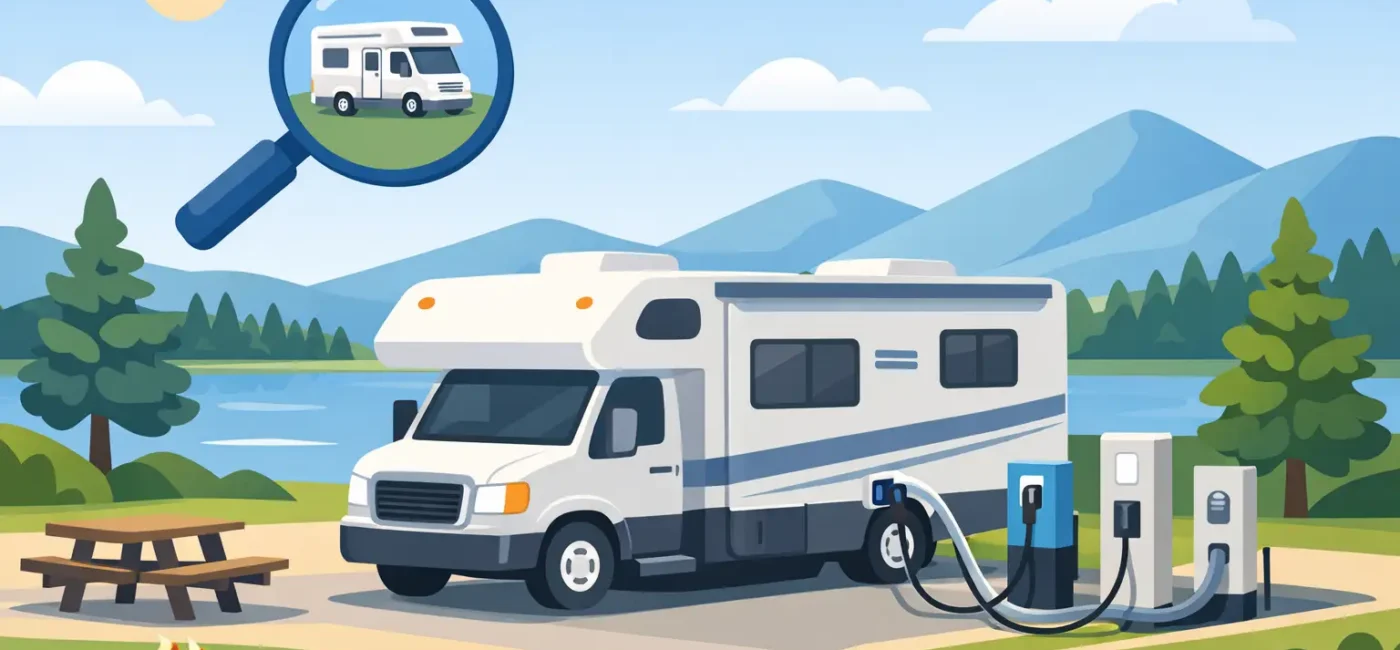
Pulling into a site after a long drive only to realize it has water and electric but no sewer is the kind of surprise that can change your whole evening. If you are figuring out how to find full hookups, the goal is simple: avoid guesswork and book a stay that lets you settle in, connect quickly, and relax.
For most RV travelers, full hookups mean three essentials at the site – water, electricity, and sewer. That setup gives you the easiest stay, especially if you are traveling with family, staying more than a night or two, working remotely, or just want the comfort of handling everything right at your rig. Not every campground offers that, and not every listing describes it clearly, so knowing what to look for matters.
What full hookups really include
A true full-hookup RV site includes fresh water, an electrical connection, and a sewer connection at the site itself. Electric service can vary, which is where some confusion starts. One park may offer 30 AMP only, while another may provide 50/30/20 AMP service to fit different rigs and needs.
That distinction matters more than many travelers expect. If you have a larger coach, multiple air conditioners, or a long summer stay planned, the right power setup can make the difference between comfort and constant workarounds. Sewer access matters just as much on extended stays because it saves you from moving the rig or hunting for a dump station.
Some parks advertise “hookups” without clearly saying whether sewer is included. Others use phrases like “partial hookups” or “water and electric sites.” If the listing does not specifically mention sewer at the site, do not assume it is included.
How to find full hookups before you book
The fastest way to find full hookups is to slow down for five extra minutes before you reserve. A lot of booking mistakes happen because travelers search by price or location first and only check amenities after they have already narrowed the options too far.
Start with the site type, not just the park name. Many RV parks offer a mix of pull-through and back-in sites, and not every site in the park may have the same utility setup. A park can honestly say it offers full hookups while only some sites meet that standard. Look for the specific site description and confirm what is included there.
Photos can help, but they should not be your only proof. Utility pedestals, sewer ports, and concrete pads often show up in site images, but a clean-looking photo does not always confirm the exact service available for your RV. Written amenity details are more reliable, and if those details are vague, call and ask.
The best questions to ask when checking a park
If you want to avoid surprises, ask direct questions in plain language. Instead of asking, “Do you have hookups?” ask whether the site includes water, sewer, and electric at the site. Then confirm the electric service your rig needs.
It also helps to ask whether the hookups are easy to access and whether the site fits your RV length. Full hookups are only convenient if your hose and power cord can actually reach without a struggle. For larger rigs, a spacious site with good layout is just as important as the utility connection itself.
If you are planning a longer stay, ask about laundry, showers, WiFi reliability, pet policies, and site surface. These are not technically part of full hookups, but they shape the day-to-day comfort of your stay. A full-hookup site in a park that is hard to navigate, poorly managed, or lacking basic cleanliness can still feel like the wrong choice.
How to spot listing language that causes confusion
One of the biggest challenges in learning how to find full hookups is interpreting campground wording. “Full service” sounds promising, but different places use it differently. Some mean full utility connections. Others mean access to park amenities.
“RV friendly” is another phrase that tells you almost nothing by itself. It may simply mean the property welcomes RVs. It does not guarantee sewer, the power level you need, or a level site.
The safest path is to look for exact wording. You want to see clear mention of full hookups, or separate confirmation of water, sewer, and electric. If you also see details like 50/30/20 AMP electric service, concrete pads, and pull-through access, that usually signals a park that understands what RV guests actually need and communicates it well.
Why location still matters when you need hookups
It is easy to focus only on utilities, especially when you are booking in a hurry. But a full-hookup site in the wrong location can make your trip harder than it needs to be. If you are staying overnight during a road trip, easy highway access may matter most. If you are relocating, working in town, or staying for weeks, you may care more about security, quiet surroundings, and access to groceries, employers, or local attractions.
This is where the best RV parks stand out. They give you the practical basics and a setting that helps you actually enjoy the stay. A shaded park with clean grounds, gated access, onsite management, and a calm atmosphere often feels very different from a crowded stop with the same utility setup on paper.
For many travelers, especially families, retirees, and working professionals, comfort starts with confidence. You want to know where you are parking, who manages the property, and whether you will be able to get settled without hassle.
How to find full hookups for short stays vs. long stays
Your search should change depending on how long you plan to stay. For a one-night stop, your priorities are usually simple: easy access, dependable hookups, late check-in options, and a clean place to rest. You may not need every extra amenity, but you do need a site that works exactly as promised.
For weekly or monthly stays, the standard gets higher. You will care more about the size of the site, the condition of the park, mail or package convenience, laundry facilities, internet access, and the overall feel of the community. Long-term guests are not just parking. They are living.
That is why extended-stay RV guests should look beyond the phrase full hookups and think about full comfort. A park that offers secure access, well-kept showers, friendly onsite management, and space to breathe can make a long stay feel stable instead of temporary.
Signs you have found the right park
A good RV park makes the booking process feel clear, not confusing. The amenities are spelled out. The site options are easy to understand. Staff can answer practical questions without hesitation. You know whether your pet is welcome, whether your rig will fit, and what kind of power you are getting before arrival.
That kind of clarity is a strong sign the park is run with guests in mind. At Big Tree RV Park in Tulsa, for example, full-hookup sites are paired with the features many travelers want once they park: concrete pads, gated access, showers, laundry, free WiFi, and onsite management. That combination matters because hookups solve one part of the stay, while comfort and peace of mind solve the rest.
You should also pay attention to the tone of the property itself. A well-managed park usually communicates hospitality in the details. Clean grounds, straightforward pricing, a sense of safety, and an easy arrival process all tell you that the team understands what RV travelers are looking for.
Common mistakes to avoid
The most common mistake is assuming all RV parks offer full hookups. Many do not. Another is assuming all full-hookup sites are equal. They are not. Site spacing, electric service, surface quality, and access can vary widely.
Travelers also get into trouble by booking based on photos alone or waiting too long to reserve during busy periods. If you need a specific site type, especially a larger full-hookup space, planning ahead gives you better options. Last-minute bookings can still work, but they often force you to compromise on layout, utilities, or location.
And if something is unclear, ask. A quick phone call can save you from a frustrating arrival.
Finding the right full-hookup site should make your trip easier, not more complicated. When you know what to confirm, what language to watch for, and what comfort features matter beyond the utilities, it becomes much easier to choose a park where you can pull in, hook up, and feel at home.