A monthly RV stay can be a comfortable, flexible alternative to a lease, but the real cost is more than the nightly rate multiplied by 30. This extended stay RV budgeting guide helps you plan for the expenses that shape everyday life: your site, utilities, food, transportation, maintenance, and a little room to enjoy your time in Tulsa.
The goal is not to spend as little as possible. It is to create a realistic number that lets you settle in comfortably, keep your RV in good condition, and avoid surprise expenses halfway through the month.
Start With Your Monthly Site Cost
Your site is the foundation of an extended-stay budget. Ask for the monthly rate, what is included, whether electricity is billed separately, and whether there are application, deposit, or reservation requirements for longer stays. Those details matter more than a low advertised starting price.
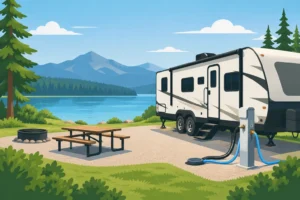
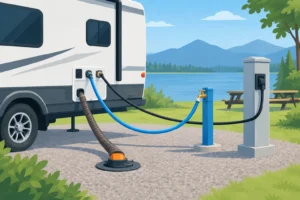
A full-hookup site can simplify your monthly planning because water, sewer, and electric service are already at your space. At a well-equipped park, features such as a concrete pad, reliable 50/30/20 AMP service, WiFi, showers, laundry, and secure gated access also reduce the need to pay elsewhere for basic daily needs.
When comparing parks, look beyond the base rate. A less expensive site farther from work, family, grocery stores, or the places you visit most may add considerably to your fuel budget. For many long-term guests, an in-town location is worth more than a small monthly discount at a remote park.
Build Utilities Into the Plan
Electricity is often the variable that catches long-term RV guests off guard. Usage changes with the weather, the size and insulation of your RV, how often you are home during the day, and whether you rely on electric heat, air conditioning, or space heaters.
In Tulsa, plan for seasonal swings. Summer air conditioning can raise usage, while cold snaps may increase costs if you use electric heat. Ask the park how electric billing works before you arrive. Some stays include certain utilities, while others use metered electricity, so it is wise to budget a cushion until you have a full month of actual usage.
You can keep consumption more predictable by checking door seals, using vent cushions when appropriate, closing shades during the hottest hours, and setting the thermostat thoughtfully. Comfort still comes first. The point is to avoid running equipment harder than necessary, not to make your RV feel less like home.
Internet and phone service belong in this category, too. Free park WiFi can be a welcome convenience, but remote workers and guests who stream frequently may want a personal hotspot or data plan as backup. If dependable connectivity supports your income, treat it as an essential expense rather than an optional extra.
Separate One-Time Costs From Monthly Costs
A clear budget keeps move-in expenses separate from recurring expenses. Otherwise, the first month can look far more expensive than the months that follow.
One-time costs may include a security deposit, rental application fees for a longer residency, upgraded hoses or surge protection, leveling supplies, propane refill equipment, mailbox needs, or a small storage unit if your RV cannot comfortably hold everything you brought. These costs are real, but they should not distort your estimate of what normal month-to-month living will cost.
Your recurring costs are the ones to track closely: site rent, electricity, propane, insurance, loan payment if you have one, groceries, fuel, laundry, pet care, phone service, and personal spending. Set up separate budget categories from the start. Knowing where your money goes is much easier than trying to sort it out after several months.
Create a Practical Monthly RV Budget
Rather than borrowing someone else’s dollar amount, build your budget around your own routine. A traveling couple with no RV loan and a short commute will have a very different monthly picture than a family working in Tulsa with two vehicles, pets, and frequent weekend trips.
Start with your dependable fixed expenses. Add the monthly site, insurance, loan payment, phone plan, and any storage fee. Then estimate flexible spending, including electricity, propane, fuel, groceries, dining out, laundry, pet supplies, and entertainment.
A useful planning approach is to divide your monthly take-home income into four buckets:
- Housing and utilities: site rent, electricity, propane, internet, insurance, and storage.
- Transportation and work: fuel, vehicle maintenance, parking, tolls, and work-related costs.
- Daily living: groceries, laundry, pet care, medications, dining, and household supplies.
- Future-proofing: RV repairs, emergency savings, travel savings, and irregular annual bills.
The fourth category deserves real attention. RV living has many advantages, but a water pump, tire, battery, roof seal, or appliance can require attention with little warning. Even a modest monthly repair fund can keep a maintenance issue from becoming a financial setback.
Plan for Food, Fuel, and Everyday Errands
Extended stays often reduce fuel spending compared with moving every few days. Still, fuel does not disappear. Include regular drives to work, medical appointments, groceries, school activities, and local outings, along with the cost of moving the RV when your stay ends.
Location makes a difference here. Staying close to city services can mean fewer long drives for errands and more time enjoying your day. Before choosing a park, think through your weekly routes. The best site for your budget is often the one that keeps your normal life simple.
Groceries can be one of the easiest categories to control, especially when you have a kitchen and full hookups. Limited RV storage means buying fewer bulk items, but meal planning prevents frequent convenience-store stops and last-minute takeout. Choose a few low-effort meals for busy workdays, and give yourself a realistic dining-out allowance. A budget that never allows a meal out or a local activity is usually difficult to maintain.
Do Not Forget RV Maintenance and Insurance
Your RV is both your transportation and your home. That makes preventive maintenance part of your housing budget, not a side expense. Set aside money each month for routine tasks such as checking seals, servicing the generator if applicable, maintaining tires, replacing filters, and preparing for weather changes.
Insurance coverage also deserves a review when you shift from occasional trips to a long-term stay. Confirm that your RV policy fits how you are using the unit, and consider roadside assistance coverage if it provides peace of mind. The right coverage depends on your RV type, travel habits, and financial situation, so avoid assuming a basic vacation-use policy covers every extended-stay need.
Keep an Emergency Buffer
A solid extended-stay budget includes money you hope not to use. Aim to keep a separate buffer for urgent repairs, medical needs, an unexpected trip home, or a short hotel stay if your RV needs service. If you are just getting started, build it gradually. Consistency matters more than reaching a perfect number immediately.
It also helps to keep a small moving fund. When your reservation ends, you may need fuel, a night or two of travel lodging, campground fees, or supplies for the next setup. Planning ahead makes the transition feel like part of the adventure instead of a scramble.
Choose Value, Not Just the Lowest Rate
A lower monthly rate is only a good deal if the stay works for your life. Clean showers and laundry can save time. Full hookups make daily routines easier. Gated access and onsite management can offer reassurance, especially when you are staying for weeks or months. A pet-friendly setting and shared outdoor spaces can make a long stay feel more welcoming, too.
At Big Tree RV Park, guests can pair the practical benefits of full-service sites with a peaceful, tree-covered setting close to Tulsa conveniences. That combination can help long-term guests spend less time managing logistics and more time feeling at home.
Before you book, write down your expected monthly total, then add a reasonable buffer for electric use, maintenance, and the small purchases that always come up after move-in. A budget that leaves breathing room gives you the freedom to relax, recharge, and enjoy the stay you planned.