
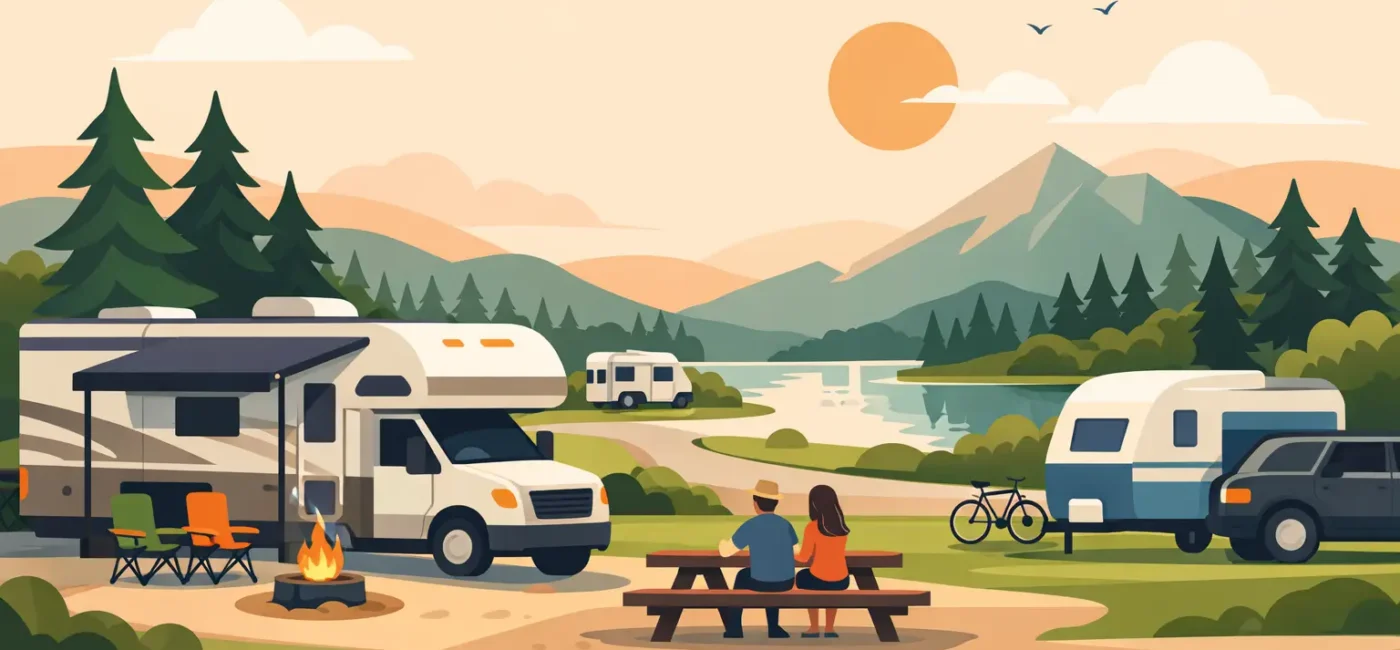
Pulling into a new campground after a long drive can feel great – until you realize every RV park runs a little differently. If you are wondering what to expect at rv park stays, the short answer is this: you should expect a mix of practical basics, park-specific rules, and the kind of small comforts that can make one night feel easy or make a longer stay feel like home.
Some parks are built mainly for overnight travelers who want a clean, simple stop with hookups and a quiet place to sleep. Others are designed for weekly or monthly guests who need more than a parking spot. They want reliable utilities, clean facilities, a sense of safety, and a setting where it is easy to settle in. Knowing the difference ahead of time helps you choose the right place and arrive with fewer surprises.
What to expect at RV park check-in
The first thing most guests notice is that check-in is usually straightforward, but not always identical from park to park. In many full-service RV parks, you will either check in at the office, receive arrival instructions in advance, or use a gate code and head directly to your assigned site. If the park has onsite management, that often makes arrival smoother, especially if you are getting in later than planned or need help finding your spot.
Expect to confirm your reservation details, your RV size, and how long you will be staying. If you are staying longer term, there may be extra paperwork, proof of identification, or a simple application process. That is especially common in parks that support extended-stay living and want to maintain a clean, well-managed environment for everyone on the property.
You should also expect some basic rules at arrival. These often cover speed limits, quiet hours, pet cleanup, vehicle parking, and guest policies. Good parks make these rules clear because they help keep the property comfortable, safe, and peaceful.
Site setup and hookups
For most RV travelers, this is the big question. When people ask what to expect at rv park sites, they are usually asking about hookups, spacing, and how easy setup will be.
At a full-service park, you can usually expect full hookups, which means water, sewer, and electric service at your site. Electric service may include 50, 30, and sometimes 20 AMP options, but it is still smart to confirm what your rig needs before you arrive. Not every park offers the same service at every site, and using the wrong setup can turn a simple arrival into a frustrating one.
Site surface matters too. Some parks offer gravel, while others have concrete pads that make leveling easier and help keep things cleaner during wet weather. A well-designed site with enough room to park, connect utilities, and move around comfortably makes a bigger difference than many first-time guests expect.
Spacing can vary. Some parks are more compact because they are focused on convenience and location. Others offer a little more breathing room, shade, or outdoor seating space. If privacy is a high priority, it is worth asking about site layout before booking. If convenience is your top concern, you may care more about easy pull-through access and quick hookup placement.
Amenities that make a stay easier
A good RV park should take pressure off your trip, not add to it. Beyond hookups, most guests expect practical amenities that support daily life on the road. Showers, restrooms, and laundry are some of the most useful features, especially for travelers on longer routes or guests staying for weeks at a time.
Free WiFi is also common now, but quality varies. Some parks offer internet that works fine for email and basic browsing, while others are better set up for streaming or remote work. If you work from the road, ask questions before arrival rather than assuming every park’s WiFi can support video calls all day.
Many guests also appreciate parks that offer extra comfort features like patios, BBQ areas, fire pits, dog-friendly walking areas, and shared outdoor spaces. These are not just nice add-ons. They can make a park feel more welcoming and less like a place where everyone stays behind their own door. For families, couples, solo travelers, and long-term residents alike, those common areas often shape the overall experience.
Cleanliness, safety, and everyday comfort
One of the clearest signs of a well-run park is how it feels when you pull in. You will usually notice pretty quickly whether the grounds are maintained, whether the sites look cared for, and whether the common facilities are clean.
Guests should expect a decent RV park to prioritize trash pickup, tidy grounds, and restrooms or showers that are consistently maintained. If a park promotes itself as extended-stay friendly, that standard matters even more. People are not just passing through. They are living there for a while, and everyday upkeep affects quality of life.
Safety is another major factor. Many RV guests want more than a place to park. They want to feel comfortable walking the grounds in the evening, leaving for the day, or staying for a month or more. Features like gated access, onsite management, clear lighting, and visible property oversight can make a real difference.
That does not mean every guest needs the same level of structure. Some travelers prefer a rustic, low-key campground feel. Others want a more organized environment with stronger rules and a clear management presence. Neither is automatically better. It depends on your travel style and how long you plan to stay.
The social side of RV park living
A lot of first-time guests are unsure whether an RV park will feel social or private. The honest answer is that it can be either, and often both.
Many parks have a friendly, wave-as-you-walk-by kind of atmosphere. You may meet neighbors while hooking up, doing laundry, walking the dog, or relaxing outside in the evening. In parks that attract extended-stay guests, there is often more of a community feel because people are around long enough to recognize one another.
At the same time, no one expects you to join in. Most RV guests appreciate a respectful balance. They want a welcoming place where people are polite and helpful, but they also want to relax on their own schedule. A well-managed park makes room for both.
If the property hosts occasional gatherings like movie nights, patio hangouts, or shared outdoor meals, that can add to the sense of community without making the stay feel busy or intrusive. For many guests, especially those traveling alone or relocating to a new city, that friendly atmosphere can make a big difference.
What long-term guests should expect
If you are staying more than a few nights, your priorities may shift. For longer stays, what to expect at rv park living is less about quick convenience and more about day-to-day comfort.
You should expect to pay closer attention to utility reliability, laundry access, mail or package handling, storage options, pet policies, and how responsive management is when something needs attention. Long-term guests often care just as much about the overall environment as they do about the site itself. Is it quiet at night? Are the grounds clean week after week? Do people follow park rules? Is management available if a problem comes up?
This is also where location becomes more important. A peaceful park is great, but so is being close to grocery stores, work sites, restaurants, entertainment, medical services, or the airport. A park that blends calm surroundings with in-town convenience usually serves long-term guests especially well.
In Tulsa, for example, many travelers and extended-stay residents are looking for exactly that mix – a comfortable place to settle in without feeling isolated from the city. That is one reason parks like Big Tree RV Park appeal to both short-term visitors and longer-term residents who want full hookups, clean facilities, secure access, and a stay that feels easy from day one.
A few things that may surprise first-time guests
Even experienced travelers occasionally assume every RV park works the same way. It does not. Some parks are quiet and residential in feel. Others have more turnover and more movement throughout the day. Some are heavily family-oriented, while others are popular with retirees, workers on temporary assignment, or guests relocating between homes.
Quiet hours are common, and most guests appreciate them. Pet rules are also usually stricter than people expect, especially around leashes and waste cleanup. Visitor parking may be limited. And while many parks are pet-friendly, that does not mean every site or situation is unlimited. Asking a few questions upfront saves trouble later.
Weather can shape the experience too. Shade, drainage, and site surface matter a lot more during hot summers or rainy stretches. A park with mature trees, stable pads, and good layout can feel far more comfortable during a longer stay.
The best expectation to bring is simple: expect a good RV park to make travel easier. You should arrive knowing where to park, how to hook up, what amenities are available, and what kind of atmosphere the property offers. When those basics are handled well, the rest of the stay tends to fall into place.
If you choose carefully, an RV park is not just a stop between destinations. It can be the part of the trip where you finally exhale, settle in, and feel like you have somewhere dependable to come back to at the end of the day.