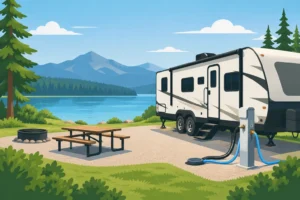
A smooth RV stay often comes down to the first 30 minutes after you pull in. Knowing how to prepare for RV arrival before you leave home helps you avoid late check-in confusion, hookup surprises, and the tired scramble to find essentials after dark. A little planning gives you more time to relax, recharge, and enjoy where you are.
How to Prepare for RV Arrival Before You Hit the Road
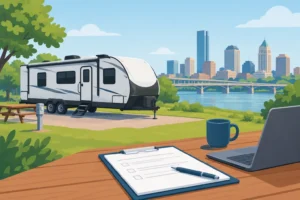
Start with your reservation details. Confirm your arrival date, expected check-in time, site number if one has been assigned, and the park’s after-hours procedure. Keep the confirmation in an easy-to-reach place on your phone, but save a screenshot or print a copy, too. Cell service can be spotty in some areas, and you do not want to be searching through email while blocking the entrance.
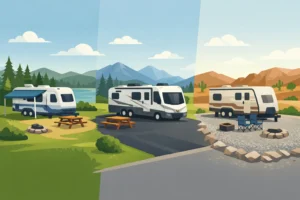
Check the park’s site requirements before departure. Your RV length, slide-out clearance, tow vehicle, and electrical needs all matter. A site that feels roomy for a travel trailer may require a different approach for a long motorhome with a towed car. If you are unsure whether your rig will fit comfortably, call ahead before travel day.
It also helps to ask about the surface and hookup layout. Concrete pads make setup easier, especially after rain, while full-hookup sites let you settle in without planning a separate water fill or dump station visit. At Big Tree RV Park, guests can expect spacious sites, concrete pads, and 50/30/20 AMP electric service, which makes it easier to arrive prepared for the equipment their RV uses.
Plan the Last Miles, Not Just the Whole Route
GPS is useful, but it is not always built for RV clearance, weight, or turning radius. Review the final approach to the park before you leave. Look for low bridges, sharp turns, narrow neighborhood roads, construction zones, and fuel stops that have enough room for your rig.
Aim to arrive during daylight when possible. This is especially helpful if it is your first visit, you are traveling with a larger RV, or you need to back into a site. Daytime arrival lets you see utility posts, pad edges, trees, picnic areas, and neighboring vehicles clearly.
Of course, travel days do not always go as planned. Traffic, weather, and long fuel stops can change your ETA. If you expect to arrive late, contact the park as soon as you know. Many well-managed parks have clear after-hours directions, but those instructions work best when you have them before you reach the gate.
Keep your arrival folder within reach
Put your reservation confirmation, driver’s license, insurance information, registration, park phone number, and emergency contacts in one place. Keep that folder in the cab or passenger area, not buried under camping gear. If you are staying for several weeks or months, bring any documents the park may require for an extended-stay application as well.
Pack an Arrival Kit for the First Night
Do not count on unpacking every storage compartment immediately. Build a small arrival kit with the items you use during setup and the things you will want before the RV is fully organized.
Your kit should include a flashlight or headlamp, work gloves, leveling blocks, wheel chocks, a surge protector, water pressure regulator, drinking-water hose, sewer hose and fittings, insect spray, basic tools, and cleaning wipes. Keep these items together in a labeled bin so they are ready every time you change sites.
For the inside of your RV, set aside dinner, drinking water, medications, phone chargers, toiletries, pet supplies, and a change of clothes. If you arrive after a long drive, a simple meal and a made bed are far more valuable than a perfectly arranged campsite. Save the decorative details for the next morning.
Know Your Hookups Before Setup
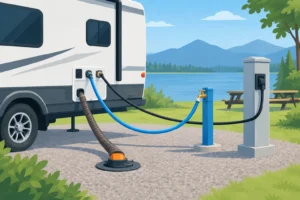
Once you are parked, take a slow walk around the site before connecting anything. Locate the electric pedestal, water connection, sewer inlet, and any obstacles that could affect slide-outs, steps, or awnings. Make sure your RV is positioned so hoses and cords can reach without being stretched tight or creating a trip hazard.
Level first, then secure the RV with wheel chocks before unhitching or extending slides. The exact order can vary by RV type and manufacturer, so follow your owner’s manual. A motorhome, fifth wheel, and travel trailer each have different setup needs, and forcing a one-size-fits-all routine can cause problems.
When connecting electricity, inspect the pedestal and your cord for visible damage. Use a surge protector or electrical management system, then connect and verify that the power matches your RV’s needs before turning on major appliances. A 50-amp rig can use a 50-amp connection, while many smaller RVs use 30-amp or 20-amp service. Do not assume every outlet is interchangeable without the right adapter and load awareness.
For water, attach a pressure regulator before connecting your potable-water hose. Run the water briefly to clear the hose, then connect and check for leaks. If you are using sewer hookups, make sure the connection is secure and keep the black tank valve closed until it is time to dump. Leaving it open during a long stay can lead to messy solids buildup in the tank.
Make a Safe, Comfortable Site Before You Unwind
After utilities are connected, test the basics. Turn on a faucet, flush the toilet, check the air conditioner or furnace, and confirm that your refrigerator is operating on the intended power source. Walk inside and outside your RV to look for leaks, unusual electrical behavior, or items that shifted during travel.
Then set up for comfort. Put out your steps and mats, adjust your awning only if the weather is calm, and store loose gear so it will not blow away. If storms are expected, keep the awning retracted. It is a small decision that can prevent expensive damage.
Security matters, especially when you are staying in town or leaving your RV during the day. Lock your storage bays, vehicles, bicycles, and RV doors. Learn how the park’s gate access works, keep access codes private, and note where the onsite office or management team is located. A secure, well-managed park helps guests feel at home, but simple habits add another layer of peace of mind.
Prepare Pets and Family Members for Arrival
Pets often feel the stress of travel more than we realize. Before opening the RV door, have leashes, waste bags, water, and a secure place for your pet ready. Let dogs stretch their legs after the drive, but keep them close while you get familiar with the park’s pet rules and walking areas.
For families, give everyone a small job. One person can guide parking from a safe, visible position, another can handle check-in information, and someone else can keep kids and pets away from the setup area. Clear communication is safer than having several people moving around cords, slides, and vehicles at once.
If you are planning a longer stay, take time to learn the rhythm of the park. Find the showers, laundry facilities, trash area, common spaces, and any community gathering spots. A friendly hello to a neighbor can make an extended stay feel less temporary, while respecting quiet hours and site boundaries helps everyone enjoy the same peaceful setting.
Give Yourself Permission to Finish Tomorrow
Not every arrival needs to look like a campground photo shoot. If you are tired, get the RV level, connected, secure, and comfortable for the night. The chairs, outdoor rug, storage organization, and sightseeing plan can wait until morning.
A prepared arrival leaves room for the part of RV travel that matters most: settling into a safe, welcoming place and enjoying the stop instead of recovering from it.