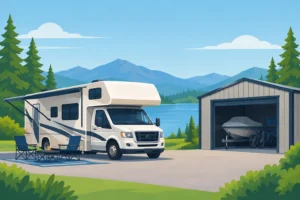
A wet morning should not turn the space outside your RV door into a muddy obstacle course. That simple comfort is one reason concrete pad RV sites matter so much to travelers, working guests, and long-term residents. A firm, clean surface makes arrival easier, protects the area around your rig, and gives your stay a more settled feel from the first hookup to the last morning coffee.
For guests who are comparing RV parks in Tulsa, a concrete pad may look like one amenity among many. In practice, it affects daily life more than most people expect. It can mean a cleaner entryway after rain, steadier footing while unloading, and a more dependable place to relax outside your RV.
What a Concrete RV Pad Changes
A concrete pad is a hard, finished surface designed to support an RV parking area. Unlike a dirt or gravel site, it gives tires, stabilizers, steps, and outdoor furniture a consistent base. The result is not flashy, but it is valuable: less mess, less shifting underfoot, and less time spent dealing with the ground conditions around your home on wheels.
That difference is especially noticeable during an extended stay. Gravel can work well for many rigs, and it often drains effectively. But loose stone follows you inside, can shift around jacks and steps, and may be uncomfortable for guests with limited mobility. Dirt sites bring their own challenges after rain. Concrete provides a tidy surface that is easier to use day after day.
It also creates a more welcoming outdoor living area. Guests can set out a chair, walk a dog, carry groceries, or enjoy a meal without worrying as much about uneven ground. For families and retirees alike, those small conveniences add up.
Concrete Pad RV Sites and Easier Setup
Pulling into a new site is often the least relaxing part of travel day. You are checking clearances, lining up utilities, leveling the RV, and getting everyone settled before the weather changes or daylight fades. A well-maintained concrete pad helps simplify that process because the surface is predictable.
Concrete does not eliminate the need to level your RV. Site grade, RV length, suspension, and the position of your wheels all still matter. A good park should provide a reasonably level site, but most RVers keep leveling blocks and equipment on hand for a reason. The advantage is that a solid surface makes it easier to see what you are working with and creates a reliable foundation for your setup.
For motorhomes, travel trailers, and fifth wheels, that stability can make arrival feel less like a project. It is also helpful when conditions outside are less than perfect. Instead of stepping down into mud or loose gravel after a storm, you have a clean, firm place to begin your stay.
A note about stabilizers and accessories
Your manufacturer instructions should always guide how you use jacks, stabilizers, and leveling equipment. Concrete is durable, but RV equipment should be placed correctly and used as intended. Pads or blocks may still be appropriate under certain equipment, particularly when you want to protect surfaces or distribute weight.
Guests should also avoid assuming every section of a site is meant for heavy equipment. The designated pad is the parking area. Keep tow vehicles, storage items, and outdoor gear within park guidelines so roads, utility connections, and neighboring sites remain clear.
Cleaner Days, Especially in Oklahoma Weather
Tulsa weather can change quickly. A dry, sunny afternoon can give way to a hard rain, and a grassy or dirt site can become messy in a hurry. With concrete under the RV, the area immediately around your door remains much easier to manage.
That does not mean a concrete pad makes weather disappear. You will still want entry mats, umbrellas, and a plan for wet shoes when storms roll through. But it limits the dirt and mud that can collect on tires, pet paws, steps, and flooring. For travelers staying only one night, that means less cleanup before getting back on the road. For monthly guests, it helps the site feel more like a maintained residence.
A clean site also makes a difference for pets. Dogs need room for regular walks and outdoor time, and nobody wants to bring a muddy pup into a small RV after every rain shower. A hard pad gives owners a cleaner starting point while they enjoy the park’s pet-friendly spaces and follow leash and cleanup rules.
The Value of a More Comfortable Outdoor Space
RV living is not only about what fits inside the coach. The space just outside becomes your front porch, dining area, and place to catch your breath after a day on the road or at work. Concrete creates a practical base for that part of the experience.
It is easier to place outdoor chairs on a level hard surface than on loose rock. A small table is less likely to wobble. You can sweep off leaves and dust rather than trying to clear them from gravel. These are simple details, but they matter when you are staying long enough to establish a routine.
At a full-service park, the pad works alongside the amenities that make a site livable: dependable water, sewer, and electric connections; access to clean showers and laundry; WiFi; and thoughtful shared spaces. One feature cannot carry the whole stay. A concrete pad is most useful when it is part of an organized park that takes guest comfort seriously.
What to Ask Before Reserving a Site
Not all concrete pad RV sites are identical. Before you reserve, it helps to ask a few practical questions, particularly if you have a larger rig, slides on multiple sides, a tow vehicle, or plans to stay for several weeks.
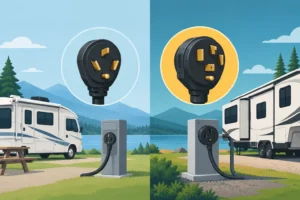
First, confirm the site length and whether it fits your RV and any vehicle you are bringing. Ask about available electric service and make sure it matches your rig’s needs. A site with 50/30/20 AMP service provides flexibility, but it is still wise to verify your connection before arrival.
Second, ask whether the pad is pull-through or back-in, and check where the hookups are located. The best site layout depends on your RV type, your comfort backing in, and how much privacy or maneuvering room you prefer. If you are arriving after office hours, learn the check-in process ahead of time so you can get parked safely without stress.
Finally, consider the whole environment, not just the surface beneath your tires. Gated access, onsite management, clean facilities, clear park rules, and a peaceful setting can be just as important as the pad itself. A concrete site feels even better when you know the park is managed with care.
A Better Fit for Overnight and Long-Term Guests
An overnight guest may appreciate concrete most after a rainy drive, when a clean step and quick setup are all they want. A guest staying for 60 days or longer sees the value in a different way. The site becomes part of everyday life: leaving for work, carrying laundry, welcoming visitors, taking the dog out, and relaxing after dinner.
That is why Big Tree RV Park pairs spacious concrete-pad sites with full hookups, gated access, onsite management, and the practical amenities that help guests settle in. The goal is not to make RV life complicated. It is to provide a dependable place where travelers can relax and extended-stay guests can feel at home while remaining close to Tulsa.
There are trade-offs, of course. Concrete can retain heat in the summer, so shade, airflow, and an awning still matter. Some guests prefer the look and softer feel of grass around their site. Others prioritize a paved, low-mess setup above all else. The right choice comes down to how long you are staying, how you use your outdoor space, and what makes travel days easier for you.
When you are choosing your next RV stop, picture the ordinary moments, not just the arrival photo: stepping outside after rain, unloading groceries, walking the dog before bed, or sitting down with a cold drink after a long drive. A clean, stable pad makes room for those moments to feel easier – and that is often what turns a stop along the way into a place you are glad to stay.