A late arrival can make any stop feel uncertain. You have driven for hours, your family or pets need a break, and all you want is a level site, working hookups, and a quiet place to sleep. So, are RV parks safe overnight? Many are, especially well-managed parks with clear rules and an active staff presence. Still, safety is not automatic. The park you choose, the way you arrive, and a few practical habits all shape how comfortable you will feel after dark.
For travelers, workers on temporary assignment, and long-term RV residents, an established RV park is usually a better overnight option than an unplanned roadside pull-off. A good park provides a defined place to stay, fellow guests nearby, utilities you can count on, and management that takes the property seriously. The goal is not to travel worried. It is to choose thoughtfully, settle in easily, and relax and recharge.
Are RV Parks Safe Overnight Compared With Other Stops?
An RV park is not identical to a campground, truck stop, rest area, or big-box parking lot. Those places can serve a purpose, but they often have different rules, less oversight, or a steady flow of unfamiliar traffic throughout the night. A professionally operated RV park is designed for people who are actually staying there, whether for one night or several months.
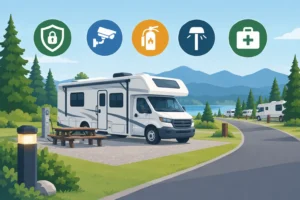
That difference matters. Guests have assigned sites, vehicles are easier to recognize, and amenities such as restrooms, laundry rooms, and common areas are maintained for regular use. Parks with gated access, visible lighting, and onsite management add useful layers of accountability. They cannot promise that nothing will ever happen, but they create an environment where unusual activity is more likely to be noticed and addressed.
The trade-off is that RV parks require planning and a reservation may cost more than an informal overnight stop. For many travelers, that expense buys a better night’s sleep, reliable power and water, and a much easier morning departure. If you are towing, traveling with children, or arriving after a long day, those benefits can be well worth it.
What Makes an Overnight RV Park Feel Safer?
Safety begins before you turn into the entrance. Look for a park that is clear about how guests check in, where they park, and what behavior is expected. A property with organized arrival instructions signals that management is paying attention to the guest experience, not simply filling spaces.
Controlled access and a visible presence
Gated entry is one of the most reassuring features for overnight and extended-stay guests. It helps limit vehicle traffic to registered visitors and residents. It is even better when the gate is paired with a staffed office, an onsite host, or management that can be reached if a concern comes up.
This does not mean every safe park must have a gate. Smaller parks may rely on a close-knit layout and attentive owners. What matters is whether the property feels supervised and orderly. As you arrive, notice whether site numbers are easy to find, whether rules are posted, and whether guests appear to be using the park as intended.
Clean, well-maintained facilities
Cleanliness is more than a comfort issue. It often reflects the overall care a park gives to its grounds and guests. Well-kept roads, trimmed sites, working lights, maintained restrooms, and tidy laundry areas suggest a staff that notices details.
Pay attention to practical maintenance, too. A site with a stable pad, safe utility connections, and enough room to park without crowding your neighbors reduces everyday hazards. Clear drive lanes and good visibility help when you are arriving in the evening or leaving before sunrise.
A respectful guest community
The best RV parks feel welcoming without feeling chaotic. You may see road trippers staying for a night, families on a weekend visit, seasonal guests, and professionals working nearby. That mix can create a friendly atmosphere, particularly when the park has quiet hours and staff who enforce reasonable standards.
For longer stays, a calm community becomes even more valuable. You want neighbors who respect site boundaries, pet policies, and nighttime quiet. A park that welcomes long-term residents while maintaining its property can offer a comfortable, semi-residential rhythm that feels more settled than a parking lot or busy overnight stop.
How to Choose a Safer Place Before You Arrive
Start by reserving directly with the park when possible. You can ask questions that do not always show up on a booking page: Is late check-in available? Is there a gate code or arrival procedure? Are sites pull-through or back-in? Where should you park if you arrive after the office closes?
Guest feedback can also be helpful, especially when several reviews mention the same strengths or concerns. Look for comments about cleanliness, staff responsiveness, lighting, noise, and the condition of sites. One unhappy review does not tell the whole story, but repeated reports about broken facilities or poor management deserve attention.
Location matters, but it should be considered in context. An in-town RV park can be a smart choice because it keeps you near fuel, groceries, restaurants, medical care, event venues, and major roads. At the same time, you still want a property that feels set apart from traffic and has a calm place to walk your dog or stretch your legs. A tree-covered setting, clear site layout, and maintained shared spaces can make a city stay feel far more restful.
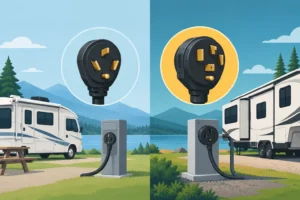
If you are traveling through Tulsa, Big Tree RV Park offers full hookups, concrete pads, gated access, and onsite management in a convenient in-town setting. Details like 50/30/20 AMP electric service, showers, laundry, and free WiFi make an overnight stay simpler, while the peaceful grounds give guests room to settle in.
Simple Habits That Improve Overnight RV Safety
Even at a well-run park, your own routine matters. You do not need to turn a relaxing stop into a security drill. A few calm, consistent choices are usually enough.
When you park, choose a site where you can easily see your doors, storage bays, and tow vehicle from inside your RV. Close and lock exterior compartments after setup, and avoid leaving chairs, bikes, grills, or expensive gear unattended overnight. If you bring bicycles, use a reliable lock, even in a friendly park.
Keep your arrival routine simple. Connect your utilities, make sure your step and entry area are visible, and take a quick look around before getting comfortable. If a site, neighbor, or part of the property gives you a genuine bad feeling, trust that instinct and speak with management. A professional team would rather help you move or answer a question than have you spend the night uneasy.
For pet owners, use a leash as required and keep nighttime walks close to lit areas. Pets are part of the RV lifestyle, but they also need predictable routines in a new setting. Knowing where the pet area is and carrying a small flashlight can make late-evening walks easier for everyone.
Late Arrivals Need a Little Extra Planning
Arriving after dark is common, especially when traffic, weather, or an ambitious driving day changes your plans. It is also when a reservation and clear park communication matter most. Confirm your site number and check-in instructions before cellular service becomes spotty or the office closes.
Use your headlights carefully while navigating, but do not assume they reveal every obstacle. RV parks have utility pedestals, curbs, picnic tables, and neighboring vehicles close to the drive lanes. Go slowly, use a spotter if you have one, and save nonessential setup tasks for morning if you are tired.
You do not have to fully unpack to have a comfortable night. Get level, secure the RV, connect only what you need, lock up, and rest. A well-planned overnight stop should lower the pressure of travel, not add to it.
When Should You Choose Another Option?
There are times when moving on is the right call. If the entrance is poorly marked, the property does not match the information you were given, the site feels unsafe to navigate, or no one can help with a serious issue, look for another established location. This is especially true during severe weather, when reliable shelter information and responsive management are essential.
Also consider your personal needs. Solo travelers may prefer a site closer to the office or main activity area. Families may prioritize a quiet location away from the entrance. Guests staying for weeks or months may care most about dependable utilities, laundry access, storage, and a community where they can feel at home. The safest choice is often the one that fits your travel style rather than the cheapest open space on the map.
A good overnight RV park should let you finish the day with confidence: your rig is settled, your essentials are close, and tomorrow’s road can wait until morning.