A late arrival should feel simple: pull in, find your site, connect your RV, and settle down for the night. It should not leave you wondering who is coming and going, whether the hookups are dependable, or how you will get help if something goes wrong. The essential RV park safety features are the details that turn a stopover or extended stay into a place where guests can truly relax.
For road trippers, safety may mean a well-lit path to the shower after dark. For a family, it may mean clearly marked roads and a clean place for kids to play. For a guest staying several months for work or relocation, it often means secure access, reliable utilities, and management that is present and responsive. A quality RV park plans for all of those needs.
Controlled Access Creates Peace of Mind
A gate is one of the first signs that an RV park takes guest security seriously. Controlled entry helps limit unnecessary vehicle traffic and gives residents greater confidence about who is entering the property. It is especially valuable for longer-term guests, who want their site to feel more like home than a temporary parking space.
Still, a gate alone is not the full answer. Look for an access system that is consistently maintained and easy for registered guests to use. Visitors should have a clear process for entering, and guests should know what to do if they arrive late or have a service vehicle coming to their site. Security works best when it supports convenience rather than creating confusion.
At Big Tree RV Park, gated access is part of a guest experience designed for travelers and extended-stay residents who value an organized, comfortable place to call home.
Onsite Management Matters After Hours
An RV park can have attractive amenities, but attentive onsite management often makes the biggest difference when a real issue arises. A team that regularly walks the grounds can spot a leaking connection, blocked roadway, damaged pedestal, or unfamiliar activity before it becomes a larger concern.
For guests, management presence brings reassurance. You know there is a clear point of contact when you have a question about your site, need help locating a facility, or notice something that does not look right. This is particularly helpful for first-time visitors and guests who are new to the area.
Ask how the park handles emergencies and maintenance requests. A smaller, locally managed park may offer more personal attention, while a larger property may have more formal procedures. Either approach can work well if the response process is clear, dependable, and respectful of guests.
Essential RV Park Safety Features Start With the Site
Your RV site should make setup easier, not introduce new risks. Level, well-maintained pads reduce the chance of instability and help prevent awkward adjustments after you have parked. Concrete pads are a practical advantage because they provide a clean, solid surface for steps, chairs, and everyday movement around the RV.
Spacing matters, too. A site should give you enough room to connect safely, extend slides, and move around your rig without crowding neighboring guests. Overly tight sites can make backing in stressful and can increase the risk of accidental contact between vehicles, equipment, and outdoor gear.
Clear site numbers, posted speed limits, and visible directional signs are equally useful. They may seem basic, but these details help new arrivals navigate confidently, especially when they reach the park after sunset or during bad weather.
Safe, Reliable Electrical Service
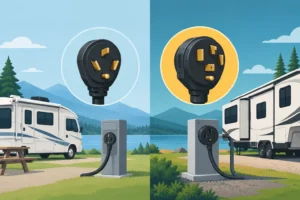
Electric service is not just a convenience. It is a core safety consideration for any RV stay. Properly maintained 50/30/20 AMP service gives guests the flexibility to connect the equipment their RV requires, whether they are traveling in a large motorhome, towing a fifth wheel, or staying in a smaller camper.
Before plugging in, inspect your own cord and adapter for wear, heat damage, or loose connections. At the site, the pedestal should appear clean, protected, and securely mounted. If anything looks damaged, do not try to make it work. Contact park staff before connecting.
Reliable power also supports everyday comfort and safety. It keeps refrigeration running, allows climate control during Oklahoma heat or cold snaps, and provides the dependable service long-term residents need for work and daily life.
Water, Sewer, and Drainage That Are Properly Maintained
Clean water connections and well-kept sewer access protect the health of everyone in the park. A quality property keeps utility areas orderly and provides sites that allow guests to connect without crossing roadways or creating trip hazards.
Good drainage deserves attention as well. Heavy rain can quickly expose low spots, standing water, and poorly maintained roads. A park with stable roads, maintained ditches, and thoughtful site grading helps guests move around safely when weather changes. No outdoor lodging property can prevent every weather-related inconvenience, but strong maintenance reduces avoidable problems.
Lighting Helps Guests Move With Confidence
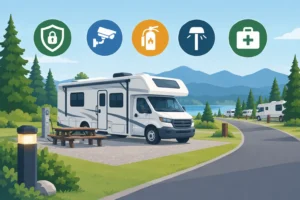
Thoughtful outdoor lighting makes an RV park more welcoming after dark. It helps drivers see turns, site markers, curbs, and pedestrians. It also makes it easier to walk a dog, carry laundry, visit the restroom, or return from an evening in town without relying only on a phone flashlight.
The goal is not to flood every campsite with harsh light. Guests still want to enjoy a peaceful evening outdoors and see the stars when possible. The best parks balance visibility in shared spaces with a calm, comfortable atmosphere at individual sites.
Pay attention to lighting near entrances, bathhouses, laundry rooms, trash areas, parking spaces, and common gathering areas. These are the places guests use most often after sunset, and they should feel easy to access.
Clean Shared Facilities Protect Comfort and Health
A clean shower and laundry room say a great deal about how a park is operated. Regular cleaning, working locks, good ventilation, dry floors, and clear access routes all contribute to a safer experience. For guests without a fully self-contained RV, these facilities are not extras. They are essential parts of a successful stay.
Cleanliness also supports a stronger community. When common areas are maintained, guests are more likely to treat them with care and feel comfortable using them. That matters for overnight travelers and becomes even more meaningful for residents who rely on those spaces week after week.
Pet-friendly parks have a similar responsibility. Clearly designated areas, waste stations, and reasonable pet expectations help protect both guests and animals. A welcoming park should make it easy for dog owners to be considerate neighbors.
Fire Preparedness Should Be Clear and Practical
Campfires, grills, and outdoor cooking are part of the RV lifestyle, but they require common sense and clear park rules. Look for designated fire features or gathering areas that are maintained and positioned away from RVs, vegetation, and traffic. Guests should know where grilling is allowed, whether wood fires are permitted, and how local burn restrictions are handled.
Every RVer should also travel with working smoke alarms, carbon monoxide detectors, and a charged fire extinguisher. Park staff can support fire safety through posted rules and maintained common areas, but your RV remains your responsibility. Before settling in for an extended stay, take a moment to locate exits, check detectors, and keep pathways around your door clear.
Emergency Readiness Is More Than a Sign on the Wall
Oklahoma weather can change quickly, so a prepared RV park should make communication straightforward. Guests need to know how they will receive urgent information, where to seek appropriate shelter during severe weather, and whom to contact if they need immediate assistance.
Emergency readiness also includes practical basics: accessible fire lanes, clearly marked addresses or site numbers, maintained roads, and staff who can direct first responders to the right location. These behind-the-scenes details may not be the reason you book a site, but they matter greatly when minutes count.
Before your stay, save the park contact information in your phone and make sure everyone traveling with you knows your site number. If you are staying for a season or longer, keep a simple weather plan, medications, flashlights, and essential supplies within easy reach.
A Safe Park Feels Welcoming, Not Restrictive
The best RV parks do not create a fortress-like atmosphere. They create order, comfort, and neighborly confidence. Guests can enjoy a quiet patio, share a meal at the BBQ area, walk their pets, or head into town knowing the property is cared for and the basics are handled well.
When comparing RV parks, look beyond the nightly rate. A clean site, dependable hookups, gated entry, good lighting, and responsive management often deliver more value than a lower price with unanswered questions. Choose a place where you can park, plug in, and spend your time enjoying Tulsa instead of worrying about your next practical need.