
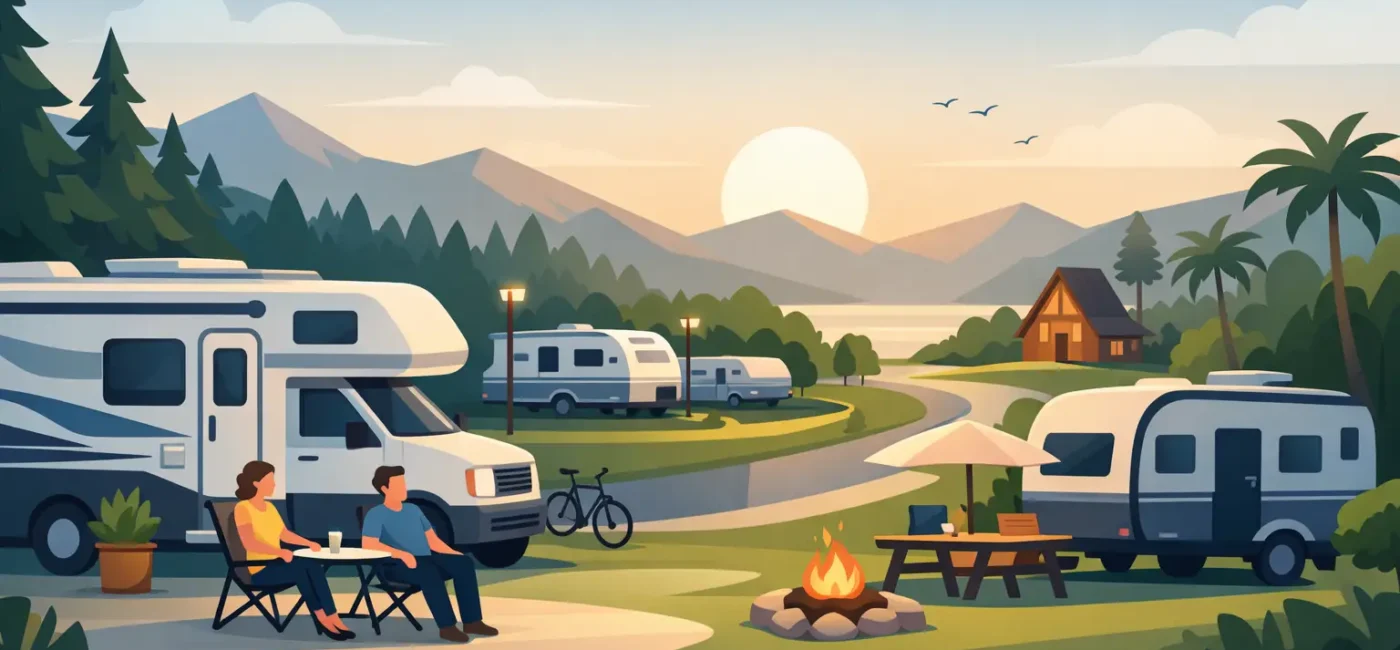
Some guests arrive planning to stay a weekend and end up asking the same practical question a few days later – can you live in RV park full time? The short answer is yes, in many cases you can. The better answer is that it depends on the park, local rules, your RV setup, and whether the property is built to support comfortable long-term stays.
For a lot of travelers, remote workers, retirees, and people in transition, RV living is not just a road-trip idea. It is a flexible housing option that can feel affordable, simple, and surprisingly comfortable when you choose the right park. But not every RV park is designed the same way, and not every park that accepts overnight guests is a good fit for month-after-month living.
Can You Live in RV Park Long Term?
In many parts of the country, yes, you can live in RV park long term if the property allows extended stays and follows local zoning and occupancy rules. Some parks welcome monthly guests and longer-term residents. Others are set up mainly for nightly travelers, event traffic, or seasonal demand and may limit how long you can remain on site.
That distinction matters. A park that works well for one or two nights may not be comfortable for a 60-day stay. Long-term guests usually need more than a parking space. They need dependable hookups, strong utility service, clean showers and laundry, safe access, quiet surroundings, and management that treats extended stay like a real hospitality experience rather than an exception.
This is also where local and state regulations come into play. In some areas, full-time RV living is common and straightforward. In others, there may be rules about residency, mail service, vehicle condition, occupancy limits, or how long an RV can be used as a primary dwelling. That is why the best first step is always to ask the park directly how their long-term stay program works.
What Makes an RV Park Livable?
If you are asking whether you can live in RV park comfortably, the real issue is not just legality. It is livability.
A comfortable long-term park should have full hookups that are reliable every day, not just functional enough for a short stop. Electric service matters more than many new guests expect, especially in Oklahoma heat or during colder stretches when HVAC runs harder. Spacious sites also make a difference. When rigs are packed too tightly together, daily life can feel cramped fast.
Surface quality matters too. Concrete pads, level sites, and well-kept grounds make setup easier and reduce wear on your RV. Laundry on site saves time. Clean bathhouses offer a backup when you need them. Free WiFi can be a real benefit if you work remotely or stream regularly, although serious remote workers may still want a hotspot for redundancy.
Security is another big part of feeling at home. Gated access and onsite management give long-term guests more confidence, especially when they are leaving for work, running errands, or stepping away for a weekend. A park feels very different when it is actively cared for.
Then there is the human side. Community spaces, pet-friendly policies, shade, quiet hours, and staff who know their guests all help a park feel less temporary. That may sound small, but it adds up over time.
The Trade-Offs of Full-Time RV Park Living
Living in an RV park can be a smart move, but it is not a one-size-fits-all answer.
On the plus side, it offers flexibility that traditional housing usually cannot. You can stay a month, a season, or longer without signing a conventional lease in many cases. Utilities may be simpler to manage. Maintenance is often lighter than managing a house or apartment. For people relocating, working temporary jobs, downsizing, or traveling with pets, that convenience is hard to beat.
Cost can also be a major advantage, although savings depend on the park, the season, and your own RV expenses. A monthly site rental may compare favorably with local rent, especially when hookups and amenities are included. But your total budget still needs to account for insurance, propane, repairs, fuel, and routine RV upkeep.
The trade-offs are real too. Space is limited, even in a well-designed rig. Weather affects you more than it does in a traditional home. Tank management, power use, and general maintenance become part of weekly life. And if the park is poorly managed, small frustrations can start to feel much bigger over time.
That is why choosing the right place matters more than choosing the idea itself.
What to Ask Before You Book a Long-Term Stay
Before committing to an extended stay, ask clear questions. Start with the most basic one: do you allow long-term or monthly living, and if so, what does the process look like?
Some parks offer monthly rates but still treat the stay more like temporary lodging. Others have an application process for guests staying 60 days or more. That can be a good sign. It often means the park is organized, serious about safety, and focused on creating a stable environment for everyone on property.
You will also want to ask how utilities are billed, what kind of electric service is available, whether mail or package delivery is possible, and what standards your RV needs to meet. Many parks have age or appearance guidelines for rigs, and that is not necessarily a negative. It often reflects a commitment to cleanliness and overall guest experience.
Ask about noise, guest policies, pet rules, parking, storage, and internet reliability. If you plan to stay through a season with extreme temperatures, ask how the park handles those conditions. A good park should be able to answer these questions clearly and without hesitation.
Who Usually Lives in an RV Park?
The picture most people have of RV parks is often too narrow. Long-term guests are not all retirees on an endless vacation.
Many are working professionals on temporary assignment, traveling nurses, construction crews, remote workers, families between homes, and people relocating to a new city before buying or renting. Some are seasonal residents escaping colder climates. Others simply prefer a lower-maintenance lifestyle and the freedom to move when they want.
That mix is one reason a well-run RV park can feel both practical and welcoming. People are there for different reasons, but most want the same things: a clean site, a safe setting, dependable service, and a place where daily life feels easy.
Why Location Matters More Than People Expect
Even the nicest RV site can become inconvenient if it is too far from the places you actually need to go. Full-time or long-term living works better when the park is close to groceries, medical care, work routes, entertainment, and major road access.
For many guests, the sweet spot is a park that feels peaceful without feeling isolated. Shade, green space, and quiet surroundings are a big plus, but so is being close to town. That balance matters if you are staying for weeks or months rather than passing through for a night.
In Tulsa, for example, many long-term RV guests want a location that keeps them near downtown, area parks, event venues, and the airport while still offering a calmer place to come home to. That is where a full-service park with a thoughtful layout stands out.
Can You Live in RV Park Comfortably Year-Round?
You can, but comfort depends on your RV and the park you choose. If your rig is well maintained and the park has strong infrastructure, year-round living can be very manageable. If either side is weak, small issues turn into everyday hassles.
Think about your insulation, heating and cooling capacity, plumbing protection, and storage space. Then think about the park’s electric service, pad quality, drainage, shade, and maintenance standards. A great long-term stay comes from both pieces working together.
That is one reason parks built for extended stays tend to earn repeat guests. When a property offers full hookups, roomy sites, laundry, showers, WiFi, secure access, and onsite management, daily life gets easier. At a place like Big Tree RV Park, those details are what help guests settle in and actually enjoy the stay, whether they are in town for a short visit or something much longer.
If you are considering RV park living, trust the practical questions more than the romantic ones. Ask how it works, what is included, and what daily life really feels like. The right park will not just give you a place to park – it will give you a place to exhale.