
Pulling into a new park after a long drive is a lot easier when you already know what the hookups can handle. If you are wondering how to compare RV site hookups, the goal is simple: make sure the site matches your rig, your habits, and the kind of stay you want. A site can look great online, but if the power is wrong, the water pressure is weak, or sewer access is awkward, setup gets frustrating fast.
For most RV guests, hookups are not just a technical detail. They shape how comfortable your stay feels from the first night on. Whether you are booking one night on the road, staying for a work assignment, or settling in for a longer visit, comparing hookups the right way helps you avoid surprises and choose a site that feels easy, reliable, and worth the rate.
What RV hookups actually include
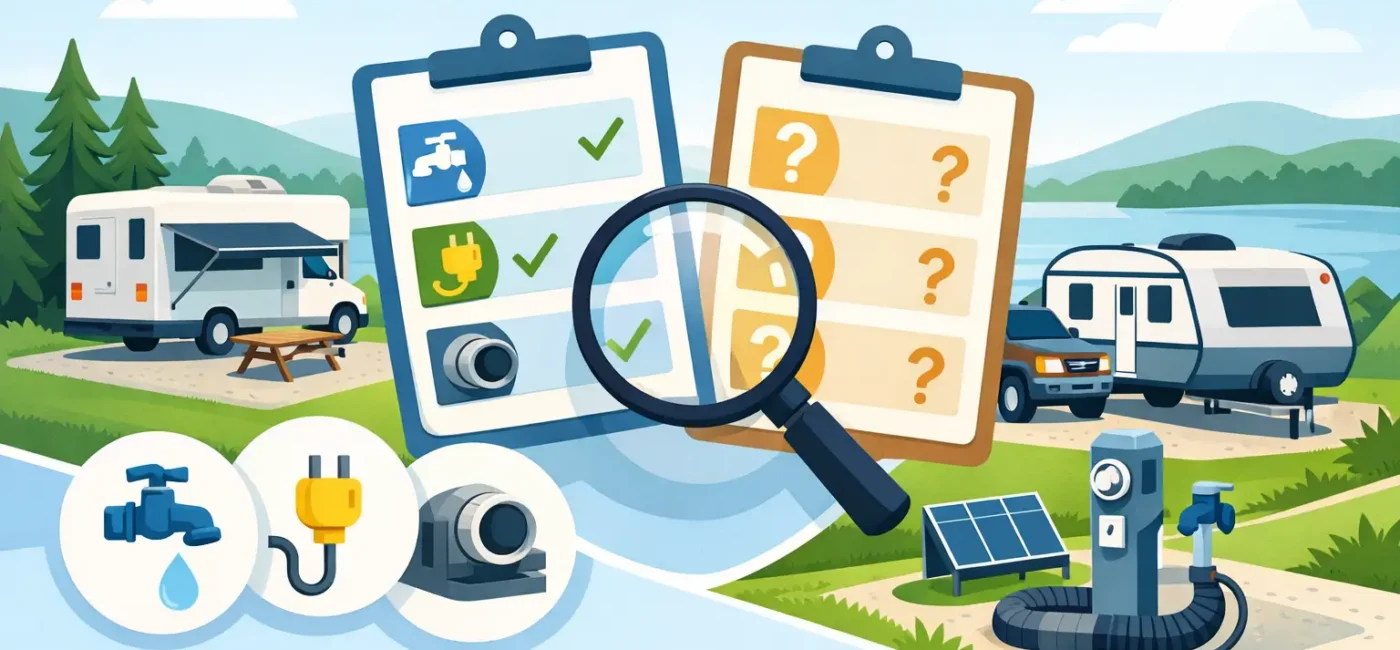
When people compare RV parks, they often look for the phrase full hookups and stop there. That is a start, but it does not tell the whole story. Full hookups usually means electric, water, and sewer at the site. Even so, the quality, layout, and capacity of those utilities can vary quite a bit from park to park.
Electric service is usually the first thing to confirm. Many sites offer 30 amp or 50 amp service, and some provide both along with a 20 amp outlet. Water sounds straightforward, but details matter. You want to know whether the connection is easy to reach, whether pressure is generally dependable, and whether there are any seasonal limitations. Sewer access also deserves a closer look because placement, slope, and distance from your RV connection can affect how simple your setup will be.
A park may advertise hookups, but what you really want is a site that is practical to use. That is a big difference.
How to compare RV site hookups without overcomplicating it
The fastest way to compare sites is to look at hookups in three layers: compatibility, convenience, and consistency. Compatibility means your RV can safely connect without adapters, strain, or workarounds. Convenience means the hookups are positioned well and support an easy arrival. Consistency means the utilities perform reliably during your stay.
This is where a little homework pays off. Before you book, compare the site to your RV’s needs, not just your wish list. A weekend traveler with modest power use may do fine on 30 amp service. A larger fifth wheel running multiple AC units in Oklahoma heat may need 50 amp service to stay comfortable. Neither option is better in every case. It depends on your rig and how you live in it.
Start with electric service
Power is usually the biggest dividing line when you compare RV sites. If your RV is built for 50 amp service, booking a 30 amp-only site may still be possible with an adapter, but it can limit what you can run at the same time. That might mean choosing between one appliance and another, watching breaker loads, or giving up some comfort during peak temperatures.
If you travel light in a smaller trailer, 30 amp may be more than enough. If you work remotely from your RV, use electric cooking appliances, or rely on strong climate control, a site with 50/30/20 amp service gives you more flexibility. That kind of setup is especially useful for guests who want dependable long-term comfort instead of a basic overnight stop.
When comparing electric hookups, ask about more than the amp rating. It also helps to know whether the pedestal is in good condition and easy to access, and whether the park is known for stable service. The difference between available power and dependable power matters.
Check water hookup quality, not just availability
Almost every guest assumes water is water, but anyone who has stayed in multiple parks knows that is not always the case. A listed water hookup only tells you that a connection exists. It does not tell you how convenient or dependable it will feel in daily use.
Look for signs that the park maintains its sites well. Clean, organized grounds often go hand in hand with reliable utility infrastructure. If you are staying more than a night or two, water consistency matters more than people realize. Showering, washing dishes, doing laundry in your RV, and basic day-to-day comfort all depend on it.
It is also smart to consider the season and the length of stay. If you are planning an extended visit, water service should feel stable and easy to manage over time, not just functional for one quick stop.
Compare sewer access for setup ease
Sewer is one of those details guests appreciate most when it is done well and notice immediately when it is not. A full hookup site with awkward sewer placement can turn routine setup into a chore. If the connection is too far from your outlet, poorly angled, or hard to reach, you may need extra hose length or a more careful setup than expected.
For longer stays, convenient sewer access becomes even more important. You want a site that supports clean, simple waste management without constant adjustment. This is one reason spacious, thoughtfully laid out sites tend to stand out. Good site design makes every hookup easier to use.
How to compare RV site hookups for short stays versus long stays
Not every stay has the same priorities. If you are booking a one-night stop, your main concern may be a fast setup and enough power to relax, cool off, and get back on the road. In that case, the right hookup comparison is mostly about convenience and basic compatibility.
For a weekly or monthly stay, the standard changes. You are no longer judging the site by how quickly you can connect. You are judging it by how comfortable life feels once you are parked. Strong electric service, dependable water, and practical sewer access all matter more because you will be using them every day.
Longer-term guests should also compare what surrounds the hookups. A site with full utilities is more appealing when it also includes a level pad, space to settle in, clean showers, laundry access, reliable WiFi, and a safe environment. Hookups are central, but they are part of the bigger stay experience.
Ask the right questions before you reserve
A good park should be able to answer hookup questions clearly and without making you feel like you are asking too much. In fact, clear answers are often a sign of strong onsite management and a guest-first approach.
When you call or book, ask what electric service is available at the specific site type you want. Ask whether the site includes full hookups at the pad, and whether larger rigs fit comfortably with the hookups positioned for easy connection. If you are planning a longer stay, ask about overall utility reliability and site spacing. These questions are practical, and they can tell you a lot about how organized the property is.
If you are traveling with pets, kids, or a work schedule, this conversation also helps you gauge whether the park is set up for real comfort rather than just parking spaces. That difference matters.
Why the site layout matters as much as the hookups
Two parks can offer the same utilities on paper and feel completely different in person. That usually comes down to layout. Spacious sites, level pads, and well-placed utility pedestals make setup smoother and everyday living more comfortable. Tight sites or awkward positioning can turn even full hookups into a hassle.
This is where a well-kept park really stands out. A property that values cleanliness, easy access, and peaceful surroundings usually makes the entire arrival process feel simpler. At Big Tree RV Park, that is part of the experience guests appreciate most – modern full-hookup sites paired with the comfort of a secure, welcoming setting in Tulsa.
Compare value, not just the nightly rate
It is tempting to compare hookup sites by price alone, but that can be misleading. A lower rate may not be the better value if the electric service is limited, the site is cramped, or the utilities are hard to use. On the other hand, a slightly higher rate may save you time, frustration, and extra setup effort.
The best comparison is not cheapest versus most expensive. It is whether the site supports the kind of stay you want. If you want a peaceful overnight stop, that may mean basic full hookups and a simple check-in. If you want an extended stay that feels more like home, then dependable utilities, space, security, and onsite support should carry more weight.
That is the real answer to how to compare RV site hookups. Look beyond the label, match the service to your RV, and choose the site that makes daily life easier. When hookups are reliable and the park is designed with guests in mind, you spend less time troubleshooting and more time enjoying where you parked.