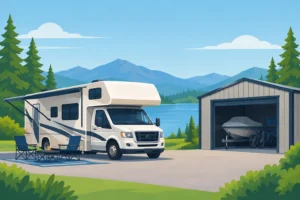
A crowded RV can make even a great trip feel less relaxing. Bikes, tools, seasonal clothes, camp chairs, work equipment, and pet supplies all need a place to go. RV storage with campsite access gives travelers and extended-stay guests a practical way to keep the items they need nearby without turning their living space into a storage closet.
For guests staying in Tulsa for a weekend, a work assignment, or several months, the right setup can make daily life much easier. The goal is not simply finding a place to park. It is finding a comfortable home base where your RV, belongings, and routine can all fit.
What RV Storage With Campsite Access Means
The phrase can mean different things at different properties, so it is worth asking a few clear questions before you reserve. In the best situation, you have an assigned RV site plus convenient access to storage for the belongings that do not need to live inside your coach, trailer, or fifth wheel every day.
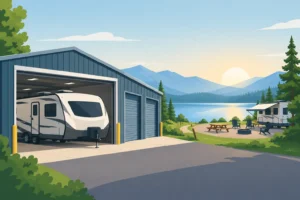
That storage may be an onsite storage unit, a designated storage area, or a separate space on the property. What matters is the connection between your campsite and your belongings. When storage is close by and available on your schedule, you can grab your grill before dinner, bring out extra linens when family visits, or put away seasonal gear without making an extra trip across town.
This is different from storing an RV offsite while you are not using it. Offsite RV storage can be a good solution between trips, especially for owners who need a secure parking spot. Campsite-access storage is more useful when you are actively staying at the park and want the convenience of having essential gear close at hand.
Why Nearby Storage Changes the Way You Stay
An RV is built to be efficient, but square footage is limited. That is especially true for families, pet owners, remote workers, and guests settling in for a longer stay. Keeping every item in the RV can leave cabinets overfilled, walkways tight, and setup or breakdown more frustrating than it needs to be.
Nearby storage gives you room to organize life around how you actually travel. You might keep outdoor gear, maintenance supplies, holiday decorations, extra pantry items, folding tables, or work materials stored away until they are needed. Your RV stays cleaner and more comfortable, while your important belongings remain accessible.
It also helps reduce the packing cycle. Instead of hauling every camping item home after each trip, you can keep designated gear stored near your campsite or travel route. For regular visitors to Tulsa, that can make weekend arrivals quicker and departures less of a chore.
Better for extended stays
Guests staying 60 days or longer often need more than the basics. A long-term RV stay may include changing work schedules, visitors, laundry supplies, hobby equipment, and clothing for more than one season. Storage close to the site can support a more settled routine without requiring a larger RV.
It is also useful for people in transition. If you are relocating, working a temporary assignment, waiting on a home closing, or traveling between projects, you may be carrying more than a typical vacation load. A storage option can give you breathing room while you get established.
Better for short trips, too
Even a two-night stay can be easier when you do not have to unload and reload every piece of gear. Travelers coming in for a Tulsa event, airport pickup, family visit, or quick stopover appreciate a site that supports simple setup. Pull in, connect, settle down, and enjoy the evening instead of hunting through packed compartments.
What to Look for Before You Book
Storage is valuable only when it is convenient, secure, and suited to your actual needs. Start by asking whether storage is onsite and how guests access it. If you expect to use your belongings often, a storage option that requires a long drive or limited access hours may not deliver the convenience you had in mind.
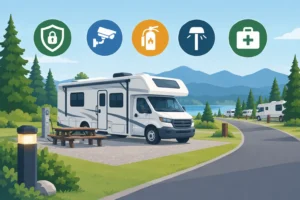
Security should be part of the conversation as well. Look for a property with controlled or gated access, clear management oversight, and a well-maintained environment. No storage arrangement can eliminate every risk, but an organized park with onsite management provides greater peace of mind than an unattended lot.
Think about the size and type of items you plan to store. A few labeled bins and folding chairs require very different space than tools, business inventory, outdoor equipment, or belongings for a long-term move. Ask about unit sizes, storage rules, prohibited items, and whether your items need climate considerations. Food, fuel, hazardous materials, and valuables should never be stored without understanding the property’s policies.
Finally, consider the campsite itself. Storage is helpful, but the site still needs to support comfortable living. Full hookups, reliable electric service, a level pad, clean showers and laundry, WiFi, and room to relax outdoors all matter. The strongest choice combines practical storage with the comforts that make an RV stay feel easy.
Pair Storage With a Site Built for Daily Comfort
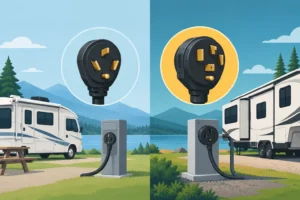
A campsite should work as more than a parking space. For a guest who needs storage access, it should be a place where everyday tasks feel manageable. Concrete pads make setup more dependable, full hookups simplify longer stays, and 50/30/20 AMP electric service gives many types of RVs the power support they need.
At Big Tree RV Park, guests can enjoy a tree-covered setting while staying close to Tulsa’s attractions, event venues, parks, and airport access. That balance matters when you want a peaceful place to recharge without feeling far from errands, work, or a night out in town.
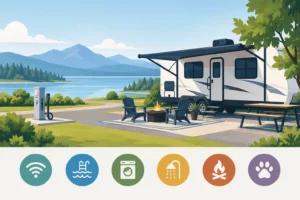
The details add up. Onsite showers and laundry reduce the pressure on your RV’s limited facilities. Free WiFi supports work and entertainment. A resort-style patio, BBQ stations, fire pit, and movie nights create opportunities to enjoy time outside your rig. For pet owners, a welcoming park environment means your dog can be part of the stay rather than an afterthought.
Use Storage Without Creating More Clutter
Convenient storage works best when it has a purpose. Before you arrive, divide belongings into three categories: items you use every day, items you use occasionally, and items you will not need until later in the stay. Daily items belong in the RV where they are easy to reach. Occasional items can go into clearly labeled storage bins. Things you will not need often should be packed toward the back.
Choose sturdy, stackable containers and label more specifically than “camping gear.” Labels such as “patio setup,” “cold-weather clothes,” “RV tools,” or “dog supplies” make a big difference when you need one item quickly. Keep a simple list on your phone of what is stored and where it is located.
Avoid using storage as a place to forget what you own. If a box has not been opened in several seasons, consider whether it needs to travel with you at all. A little organization keeps nearby storage from becoming another task to manage.
Questions Worth Asking the Park
Before committing to a stay, ask whether storage is available to RV guests, how close it is to the campsites, and what access arrangements apply. Confirm pricing separately from site rental, since storage may be offered as an additional service. It is also smart to ask about available unit sizes, required locks, insurance expectations, and whether access is available when you need it.
If you are planning an extended stay, ask how site availability and storage availability work together. Reserving both early can help you avoid moving belongings later. For a shorter stop, focus on easy arrival, secure access, and the ability to keep your campsite organized without overpacking the RV.
A well-planned RV stay leaves room for the good parts of the journey: a calm morning under the trees, an easy dinner outside, a clean place to return to after a day in Tulsa, and the comfort of knowing your gear has a place. When you choose storage that works with your campsite, you can spend less time managing stuff and more time enjoying where you are.