A one-night stop can turn into a month before you know it – especially when work, family, or a great city gives you a reason to settle in. So, how long can RVs stay at an RV park? The practical answer is: as long as the park allows, your site agreement supports, and your RV remains a safe, well-maintained fit for the property.
For many guests, an RV park is more than a place to plug in for the evening. It can be a comfortable base while visiting Tulsa, taking a temporary assignment, relocating, or enjoying a slower season of travel. Knowing the difference between nightly, weekly, monthly, and long-term stays helps you choose a site that feels easy from day one.
How Long Can RVs Stay at an RV Park?
There is no single nationwide time limit for an RV park stay. Each property establishes its own policies based on local rules, site availability, utility setup, insurance requirements, and the type of guest experience it provides. Some parks are designed primarily for overnight travelers and may cap stays at a few days or weeks. Others welcome monthly guests and long-term residents.
A full-service RV park with reliable hookups, maintained grounds, laundry, showers, and onsite management is generally better prepared for extended occupancy than a basic overnight lot. Still, availability matters. A park may have plenty of room for a weekend but limited monthly sites during busy travel seasons, major Tulsa events, or periods when temporary workers are in town.
The clearest answer always comes from the park before you arrive. Ask whether the dates you need are available, what rate period applies, and whether a longer stay requires an application or additional documentation. A good park will explain the process plainly so you can plan with confidence.
The Difference Between Nightly, Weekly, Monthly, and Long-Term Stays
A nightly stay is built for convenience. You arrive, connect to the site, rest, and get back on the road. It is a smart choice for road trippers who want a clean, secure place to recharge without committing to a longer schedule.
Weekly stays offer more breathing room. They work well when you want to explore Tulsa, visit family, wait for RV repairs, or stay put during a short job assignment. Weekly pricing can also make more sense than paying a nightly rate for seven or more consecutive nights.
Monthly stays are where an RV site begins to function more like temporary housing. Guests often choose this option during a relocation, seasonal visit, construction project, medical treatment, or extended work assignment. Monthly guests tend to value dependable electric service, full hookups, room to park comfortably, reliable WiFi, laundry access, and a setting that feels safe when they return after a long day.
Long-term stays may extend for several months or longer, depending on the park. These arrangements often come with a more detailed rental process because the guest is using the RV as a primary or semi-primary residence. At Big Tree RV Park, guests planning stays of 60 days or more can pursue rental application-based residency, creating a more organized path for people who need a dependable home base in Tulsa.
What Determines Whether You Can Extend Your Stay?
The first factor is the park’s occupancy policy. Parks need to balance the needs of overnight travelers with the needs of longer-term guests, so they may reserve certain sites or limit how long particular spaces can be occupied. Asking about extension options at check-in is wise if your plans are uncertain.
Your RV’s condition can matter, too. Most well-managed parks expect rigs to be roadworthy, presentable, and free of major leaks or safety concerns. This protects your neighbors and helps keep the grounds clean and welcoming. Older RVs are not automatically a problem, but some parks may ask for photos or review the unit before approving a long-term stay.
Local regulations and zoning can also shape the answer. Cities and counties may treat short-term camping differently from long-term residential occupancy. The park handles much of that operational side, but guests should understand that an extended-stay site is not always the same as establishing permanent legal residence.
Finally, timely payment and respectful park conduct go a long way. Long-term RV living works best when everyone follows speed limits, pet guidelines, quiet hours, trash procedures, and site-maintenance standards. These details are not about making a stay difficult. They are what keep a shared community peaceful for travelers, families, and working guests alike.
Choosing an RV Park for More Than a Few Nights
If you expect to stay longer than a weekend, look beyond the nightly rate. A lower price may not feel like a value if the site has weak electric service, unreliable WiFi, crowded spaces, or no practical way to do laundry. The amenities that seem small at first become part of daily life when you are staying for weeks.
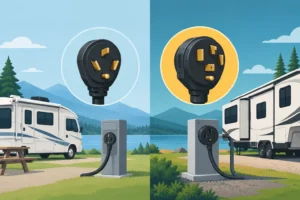
Start with the hookups. Full hookups make a major difference during an extended stay because they reduce the routine of moving the RV to dump tanks or find water. Confirm that the site’s electric service matches your rig’s needs, whether that is 50, 30, or 20 AMP service. A concrete pad can also make setup cleaner and more stable, particularly during changing Oklahoma weather.
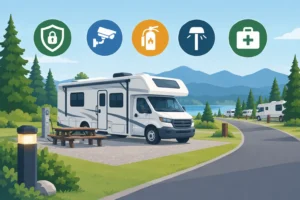
Security deserves equal attention. Gated access, onsite management, and a well-kept property can offer extra reassurance when your RV holds your belongings and serves as your home. For working guests, it is especially comforting to know they can return after a shift to a place that is orderly, well-lit, and managed with care.
Location changes the experience, too. An in-town RV park can save time and fuel when you need access to employers, the airport, medical services, shopping, restaurants, parks, and local events. You can enjoy the quiet of a tree-covered setting without feeling far removed from the city.
Make an Extended RV Stay Feel Like Home
Long stays are more enjoyable when you set up intentionally. Keep your site tidy, use a proper outdoor mat, secure hoses and cords, and make sure your sewer connection is correctly fitted. A few simple habits help your space feel comfortable while showing consideration for the people around you.
If you are bringing a pet, look for a genuinely pet-friendly park and be prepared to follow its rules. Easy walks, waste stations, and room to enjoy the outdoors can make a meaningful difference for both you and your dog. It also helps to choose a park where common areas are cared for, whether that means a patio, BBQ stations, a fire pit, or occasional movie nights that give guests a chance to connect.
For work-from-RV guests, test the WiFi early and create a backup plan if your job depends on video calls or large file uploads. Consider where you will receive mail, how you will manage deliveries, and whether nearby storage would make the RV less cramped over time. These are practical details, but they can turn a temporary stop into a smooth, comfortable routine.
Questions to Ask Before Booking a Longer Stay
Before reserving, ask the park whether your planned dates are available at the monthly or extended-stay rate and whether utilities are included or billed separately. Confirm the site dimensions, hookup types, pet policy, check-in requirements, and the process for extending your stay if plans change.
It is also worth asking about quiet hours, guest parking, mail procedures, laundry facilities, and management availability. The answers tell you a lot about how the park operates day to day. Clear policies are a positive sign because they set expectations fairly for everyone.
An RV can stay for a night, a season, or much longer when the park, the site, and your plans are the right match. Choose a place with the comforts you will use every day, communicate early about your timeline, and give yourself a Tulsa stay where it is easy to relax and recharge.