A late arrival can make any lit parking lot look like a good place to stop. But the choice between an RV park versus truck stop can shape far more than one night of sleep. It affects how easily you set up, whether you can recharge your batteries and refill your tanks, how secure you feel walking your dog, and whether you wake up ready for the next leg of the trip.
Truck stops have a real purpose for road travelers, especially when time is tight. A full-service RV park serves a different purpose: giving RV guests a reliable place to settle in, rest well, and enjoy the comforts that make life on the road easier. The better choice depends on what you need when you pull in.
RV Park Versus Truck Stop: The Main Difference
A truck stop is built first for commercial drivers moving freight. Many offer fuel, food, showers, convenience items, large lots, and around-the-clock activity. Some locations may allow RV overnight parking, but policies, available spaces, fees, and time limits vary by property. It is wise to call ahead rather than assume a spot is available or permitted.
An RV park is designed around the needs of RV guests. You reserve or check into a designated site, connect to utilities, and have a place intended for overnight or extended living. The experience is generally quieter and more structured, with site layouts, facility rules, and amenities that support travelers, families, working guests, and long-term residents.
That does not make a truck stop a bad option. If you need fuel, a quick meal, or a short rest during a long driving day, it can be practical. If you want a proper overnight stay with hookups, a concrete pad, laundry, showers, and room to breathe, an RV park is usually the stronger fit.
When a Truck Stop Makes Sense
A truck stop can be useful when your travel plan changes unexpectedly. Maybe storms slow your drive, a late event keeps you on the road, or you need to stop before fatigue becomes a safety concern. In those moments, a well-lit location with food, restrooms, and fuel nearby can be convenient.
It may also work for self-contained RVs on a one-night stop. If your fresh water tank is full, your batteries are charged, your waste tanks have room, and you do not need to extend slides or set up camp, a short overnight stay may be all you need.
Still, convenience comes with trade-offs. Truck stops are active by design. Engine noise, idling vehicles, early departures, delivery traffic, bright lights, and busy parking areas can make rest more difficult. Spaces may be tight, especially at popular locations, and oversized rigs need to be mindful of commercial truck traffic and parking etiquette.
Before staying, check local rules and the location’s own overnight policy. Never block truck parking, fuel lanes, entrances, or areas reserved for commercial drivers. A respectful stop helps keep these options available for everyone.
Why an RV Park Feels Different
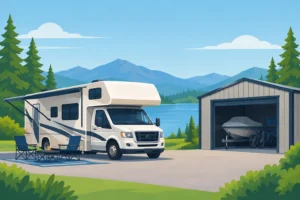
The value of an RV park begins the moment you pull into a site made for your rig. Instead of fitting into a busy parking area, you can level up, connect your utilities, and settle in with a clearer plan for the night.
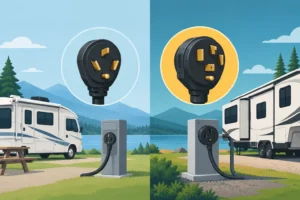
At a full-service park, dependable hookups change the experience. You can run your air conditioner or heat without relying on a generator, take a long shower, charge devices, use your kitchen normally, and start the next day with full batteries. For guests traveling through Oklahoma’s hot summers or changing spring weather, reliable electric service is more than a convenience.
The setting matters, too. A peaceful park gives guests a chance to walk the dog, sit outside, cook dinner, and enjoy a normal evening instead of simply waiting for morning. That sense of space is especially valuable for families, retirees, and anyone who has spent several days crossing the country.
At Big Tree RV Park, guests can enjoy spacious sites with full hookups, concrete pads, 50/30/20 AMP electric service, free WiFi, showers, laundry, gated access, and onsite management while remaining close to Tulsa’s city conveniences. It is the kind of stop that makes a travel day feel less like a scramble and more like a stay.
Comfort Is Not Just a Nice Extra
A quick overnight stop may seem simple until the small needs add up. Your clothes need washing. Your dog needs a comfortable place to stretch. You may need to work online, prepare a meal, empty tanks, or take a real shower after a long day behind the wheel.
Truck stops can cover some of these needs, but often separately and with less privacy. An RV park brings the pieces together. Clean bathhouses, laundry facilities, WiFi, outdoor gathering areas, and a dedicated site make it easier to take care of daily life without driving around town.
For a longer stay, the difference becomes even clearer. Few travelers want to manage water, power, noise, and personal space from a parking lot for days at a time. Weekly and monthly RV sites offer a more stable routine for temporary work assignments, relocation periods, seasonal travel, or an extended visit with family in the Tulsa area.
Security and Peace of Mind
No accommodation can promise that nothing will ever go wrong, and every traveler should lock up valuables, stay aware of surroundings, and follow property rules. Still, the environment you choose can affect how comfortable you feel.
Truck stops typically have steady traffic and visible activity, which some travelers appreciate. At the same time, they are public, high-turnover places where people, vehicles, and deliveries move through at all hours. That activity can be useful for a quick stop but less appealing when you want to relax outside your RV or leave it for the day.
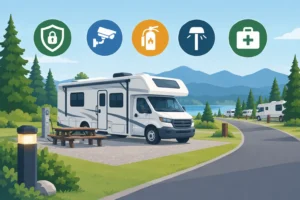
RV parks are generally more controlled environments. Features such as gated access, designated sites, park rules, and onsite management can provide an added layer of reassurance. They also create a more neighborly atmosphere, where guests are there for the same reason: to enjoy a safe, comfortable place to stay.
If security is high on your list, ask practical questions before arrival. Is there controlled access? Is staff available onsite? Are the common facilities clean and maintained? Can you park and walk your pet comfortably after dark? The answers often tell you more than a star rating.
Choose Based on the Kind of Stop You Need
The easiest way to decide is to be honest about your priorities. A truck stop may be enough when you need a short, no-frills pause between long stretches of highway. An RV park is the better choice when you need to recharge both your RV and yourself.
Consider these four questions before you pull in:
- Do you need electric, water, sewer, WiFi, showers, or laundry?
- Will noise, traffic, and bright lights keep you from getting the rest you need?
- Are you traveling with pets, children, or a larger rig that needs room to maneuver?
- Is this a single overnight stop, or do you need a dependable place for several days or longer?
Your answer may change from trip to trip. A fast overnight on the road calls for flexibility. A Tulsa visit, a work stay, or a few days of recovery after miles of driving calls for a site where you can plug in, slow down, and feel at home.
A Better Stop Can Improve the Whole Trip
The cheapest or closest option is not always the one that serves you best. A night of interrupted sleep, limited utilities, and parking-lot stress can carry into the next day. Choosing a well-managed RV park can give you the reset that keeps your travels enjoyable and your plans on track.
When the road has been long, give yourself more than a place to park. Choose a stay that lets you make dinner, walk beneath the trees, clean up, connect with home, and wake up ready to enjoy wherever the road leads next.