A great RV day can get complicated fast when the site does not fit your rig, the hookups are limited, or check-in happens after the office closes. Learning how to book RV sites before you pull onto the highway helps you avoid those surprises and gives you more time to relax once you arrive.
The best reservation is not always the lowest nightly rate or the first opening you find. It is the site that works for your RV, your travel plans, your pets, and the kind of stay you need – whether that is one easy night, a week in town, or a longer home base.
Start With Your RV and Your Stay Details
Before searching for a park, have the practical details in front of you. RV parks use this information to match you with an appropriate site, and a few minutes of preparation can prevent an awkward arrival.
Know your RV’s total length, including a tow vehicle or trailer, as well as the type of RV you are bringing. A motorhome, fifth wheel, travel trailer, and camper van can have very different space and access needs. If you have slide-outs, measure with them in mind. If you are towing a vehicle, ask whether it can remain at the site or needs separate parking.
You should also have firm arrival and departure dates. Flexibility is helpful during busy weekends, holiday periods, local events, and peak travel seasons, but parks need accurate dates to hold the right site. If your schedule may change, ask about the cancellation policy and whether extending your stay could be possible.
For a longer visit, be clear about your purpose. Some parks offer nightly and weekly reservations but use a separate application process for residents staying 60 days or more. That distinction protects both the guest and the park by making expectations around payment, documentation, and site availability clear from the beginning.
Choose the Hookups You Actually Need
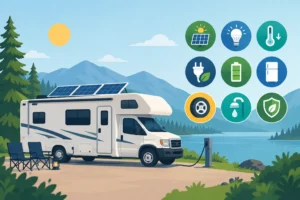
Full hookups are a major part of a comfortable RV stay. Generally, this means electric, water, and sewer connections at your site. Still, details matter. Do not assume every park, or every site in a park, provides the same setup.
Confirm Your Electric Service
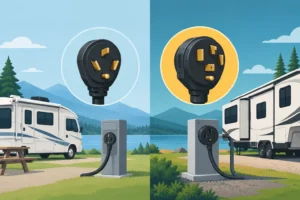
Most RVs need 30-amp or 50-amp power, while some smaller units use 20-amp service. Confirm what your RV requires and ask what is available at the specific site being reserved. A park with 50/30/20 AMP electric service gives travelers more flexibility, but the connection should always match your equipment.
If you use high-demand appliances, work remotely, or plan to run air conditioning during Oklahoma heat, dependable power becomes even more important. Bringing the proper adapter is smart, but it is better to reserve a suitable connection than rely on an adapter as a backup plan.
Ask About Water, Sewer, and Site Surface
Water and sewer at the site make overnight and extended stays much easier, especially for families and guests who do not want to manage frequent dump station trips. Ask whether both are available directly at your pad and whether there are any winter weather procedures that affect water service.
The site surface also affects your comfort. Concrete pads offer a stable, clean place to park and set up. They can be especially welcome after rain, during long stays, or when you want to step outside without tracking mud into the RV. If leveling is a concern for your rig, ask whether the site is level and what setup equipment the park recommends.
How to Book RV Sites That Fit Your Travel Style
Once you know your rig and utility needs, look beyond the map pin. The right park should make the rest of your trip easier.
Travelers passing through may prioritize convenient check-in, clean showers, laundry, reliable WiFi, and quick access to main roads. Families might want outdoor space, a place to gather, and a pet-friendly environment. Guests relocating for work or settling in for a few months often care most about gated access, onsite management, consistent utilities, and a setting that feels comfortable after a long day.
Location is a trade-off worth considering. A park outside town may feel more remote, while an in-town location can put restaurants, attractions, medical services, event venues, and the airport within easier reach. For Tulsa visitors, a peaceful, tree-covered setting close to city conveniences can offer the best of both choices.
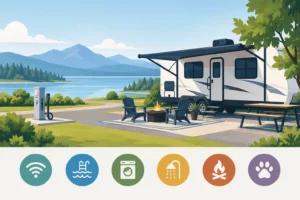
When comparing parks, think about how you will spend your non-driving hours. Laundry facilities can reduce the amount of clothing you need to pack. Free WiFi can make it easier to stay connected, check routes, stream a movie, or handle work. A patio, BBQ station, fire pit, or community movie night may not be essential to every traveler, but these touches can make an extended stay feel less temporary.
Contact the Park With the Right Questions
Online availability tools are convenient, but a quick call or message can be the best way to confirm the details that matter most. This is particularly true when you are traveling with a large rig, arriving late, bringing pets, or planning a long stay.
Ask whether the listed rate includes the utilities and amenities you expect. For short stays, electric and other services may be included. For monthly reservations, billing arrangements can differ. It is always better to understand the total cost before reserving than to compare nightly rates without knowing what is included.
You can also ask about check-in instructions, gate access, office hours, quiet hours, and after-hours arrival procedures. A secure, gated park may have a simple process for getting guests inside, but you will want those instructions before you reach the entrance. If you expect to arrive after dark, ask whether your site will be easy to locate and whether staff can provide guidance.
Pet owners should confirm park rules before booking. A pet-friendly RV park is a welcome find, but each property may have rules regarding leashes, cleanup, breed restrictions, pet areas, or the number of pets allowed. Knowing those rules upfront helps every guest enjoy the grounds.
Complete the Reservation Carefully
When you are ready to reserve, provide accurate contact information, RV details, dates, and the number of guests. Review the confirmation before ending the call or submitting payment. Check that the arrival date, departure date, site type, rate, and RV length all match what you requested.
Save the confirmation in more than one place. Keep it in your email, take a screenshot, and write down the park’s phone number and address. Cell service can be inconsistent on the road, and having the details available offline makes arrival less stressful.
If your plans change, contact the park as soon as possible. Parks appreciate notice because it gives them the chance to reopen a site for another traveler or help you find a workable adjustment. Waiting until the last minute can make an extension or date change harder, especially during a full weekend.
Prepare for an Easy Arrival
Your reservation is only one part of a smooth stay. On travel day, plan to arrive with enough daylight to park, level, and connect your utilities comfortably. If you cannot, make sure you understand late-arrival instructions before leaving your previous stop.
Keep your hookup gear accessible rather than buried under luggage. Your power cord, water hose, sewer hose, surge protector, wheel chocks, leveling blocks, and adapters should be easy to reach. After parking, take a moment to inspect connections and walk the site before settling in.
At Big Tree RV Park, guests can enjoy spacious full-hookup sites, concrete pads, gated access, onsite management, showers, laundry, and a welcoming Tulsa setting built for both quick stops and extended stays. Those details are the kind that turn a reservation into a place where you can truly relax and recharge.
A little planning leaves room for the part of RV travel you came for: pulling in with confidence, getting set up without a scramble, and enjoying a comfortable place to call home for however long the road keeps you there.